Categories
Uncategorized

Museum of Two Halves -progressing at pace

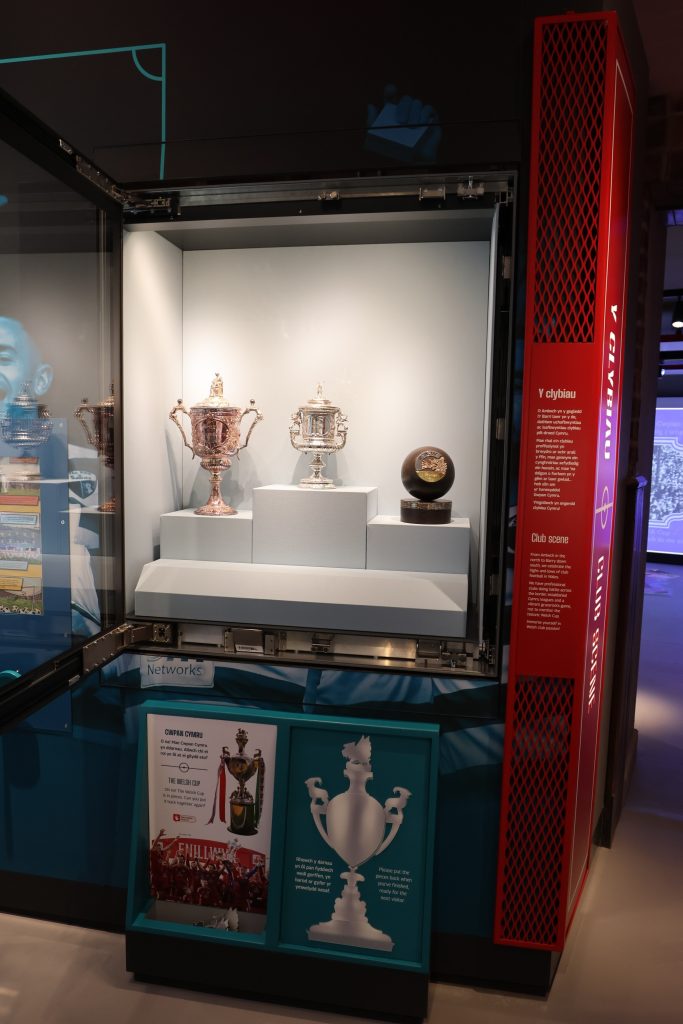
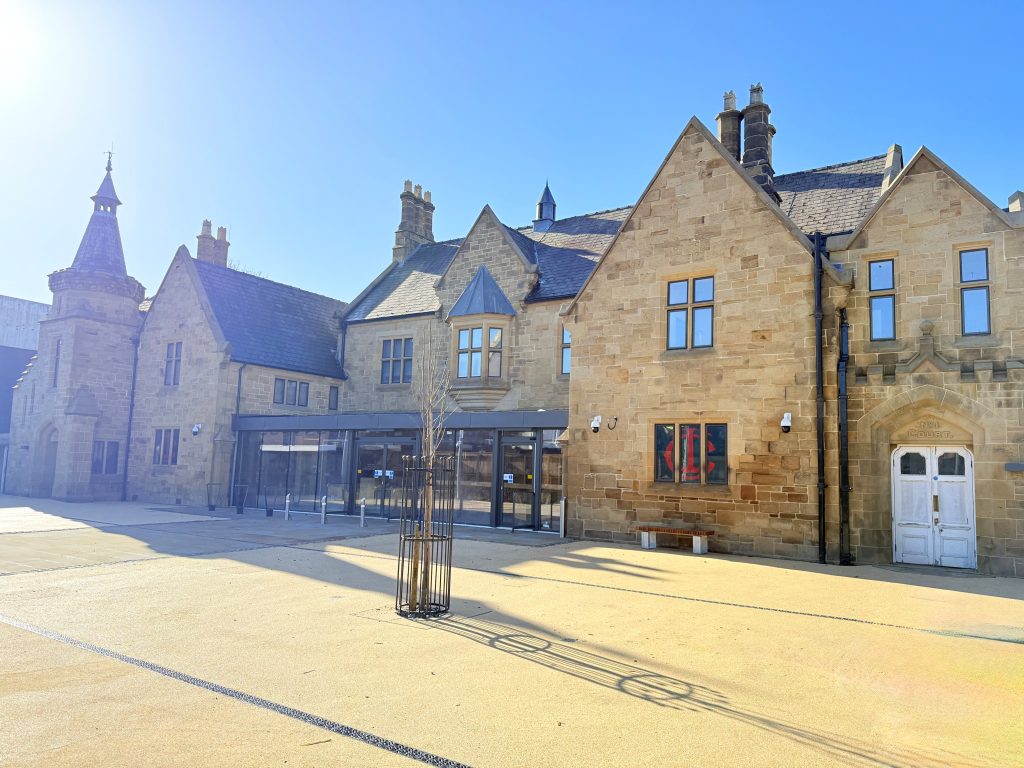
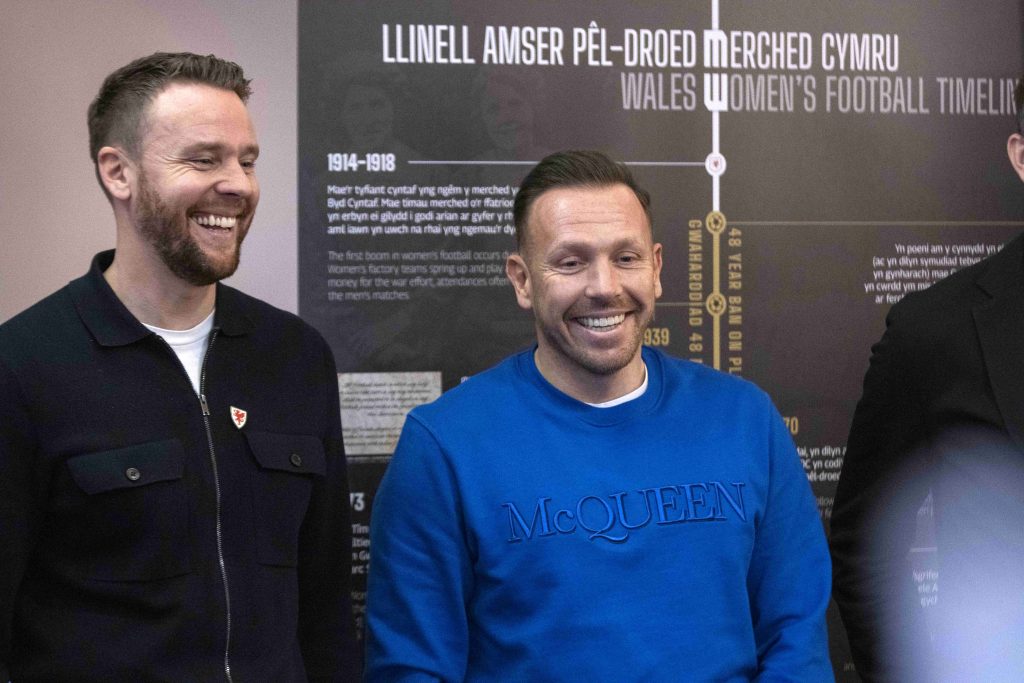
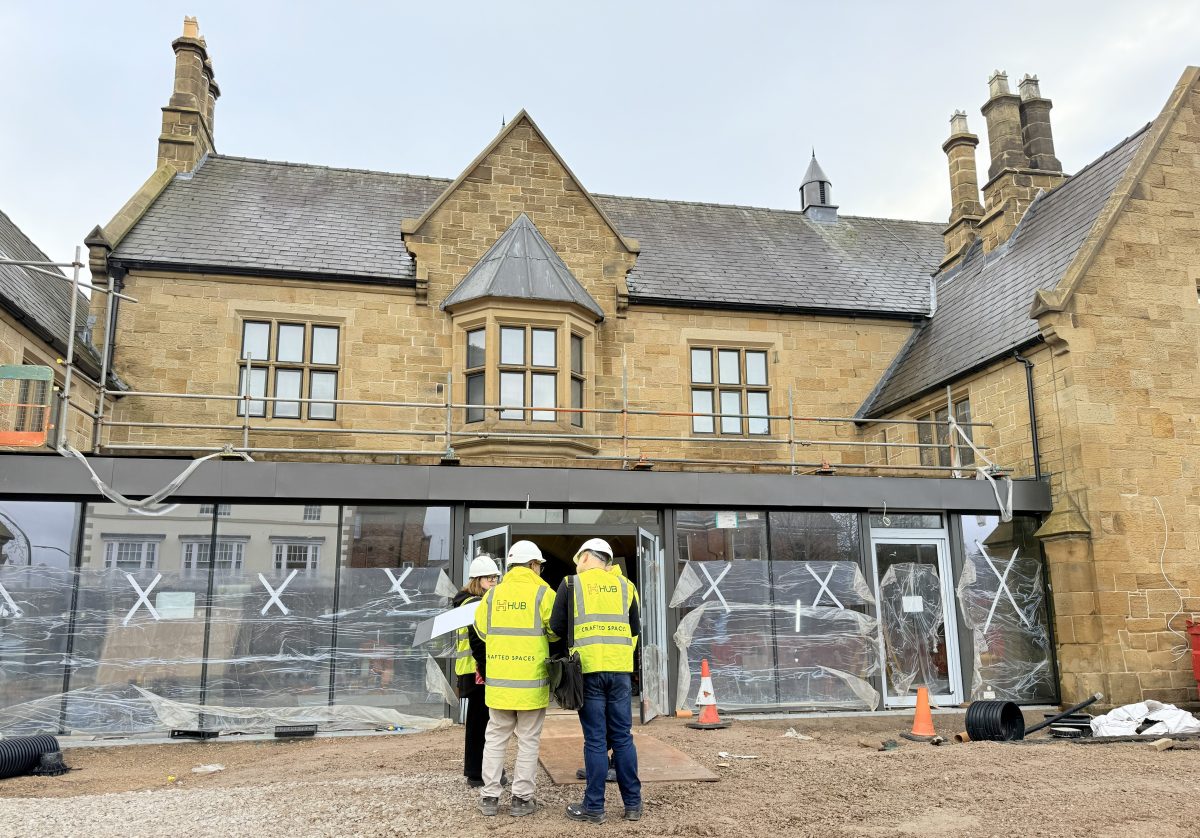
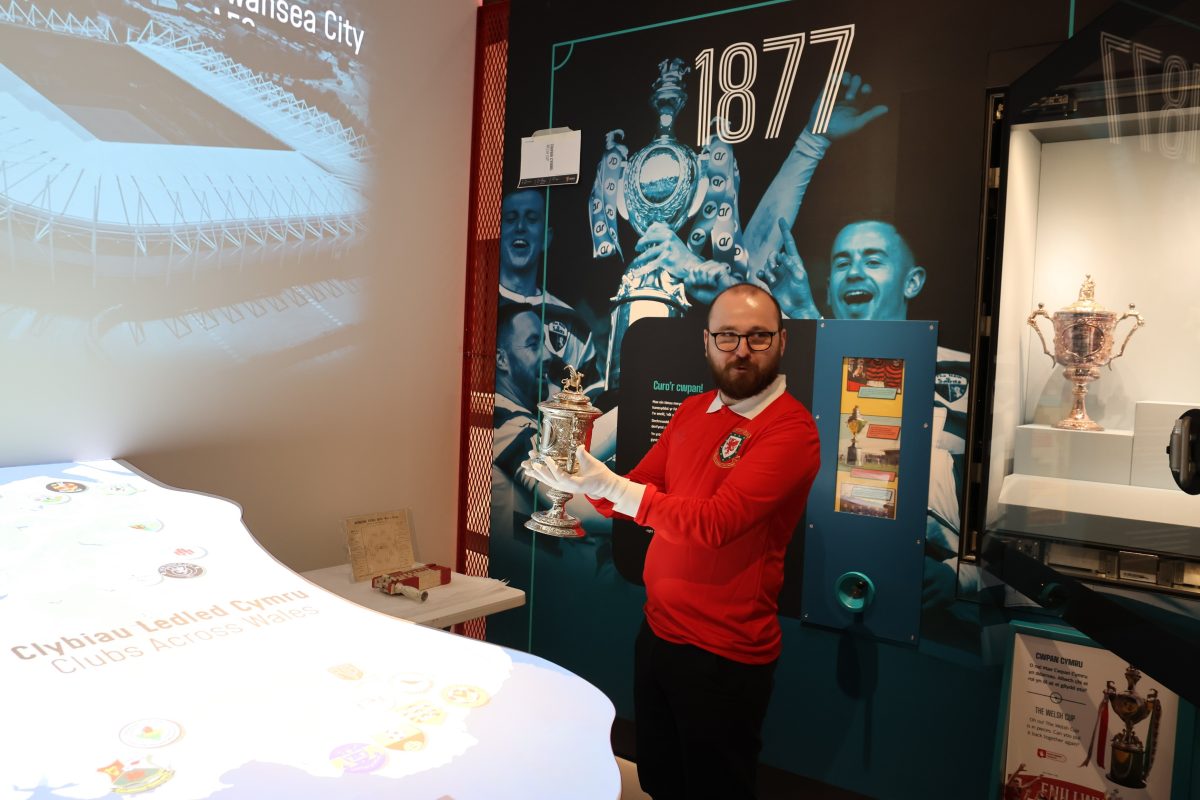
Redevelopment works at the Museum of Two Halves are progressing at pace, with galleries really taking shape now. The historic building is emerging from its refurbishment chrysalis and Wrexham’s new, world-class national attraction is on-track for opening later this year. 

Categories
Football Museum Wales

Happy Birthday!

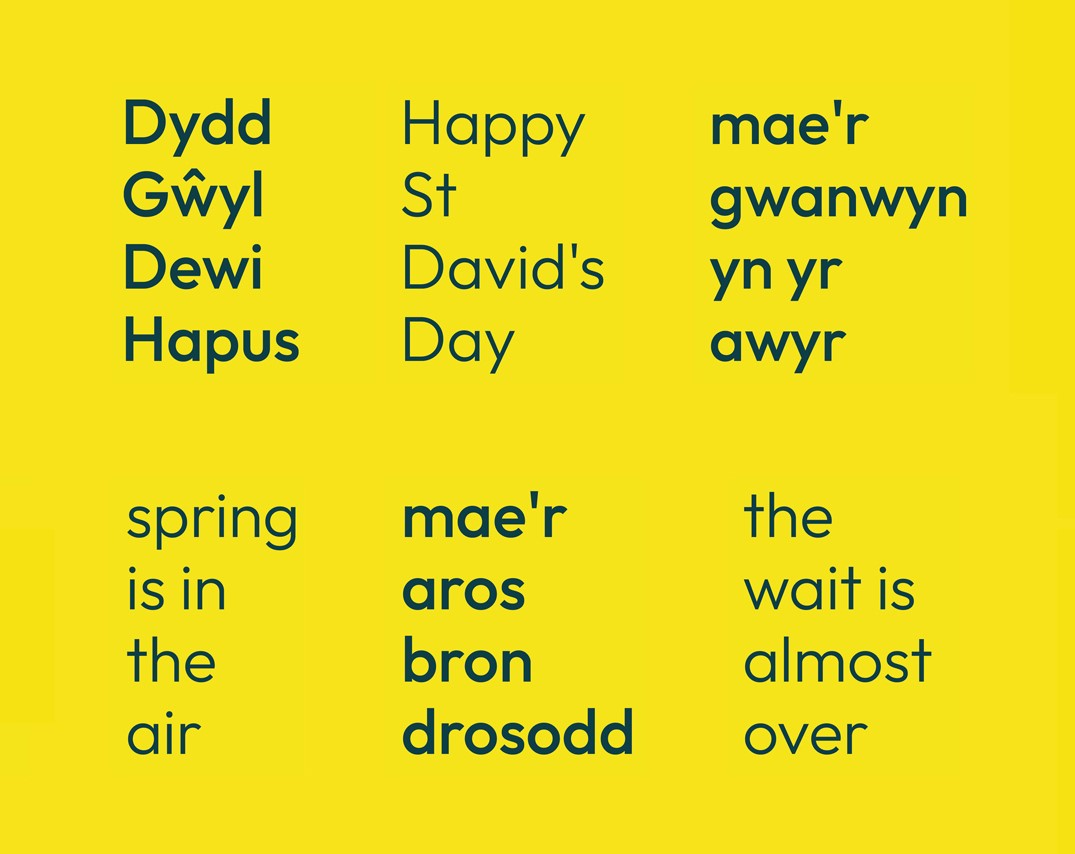
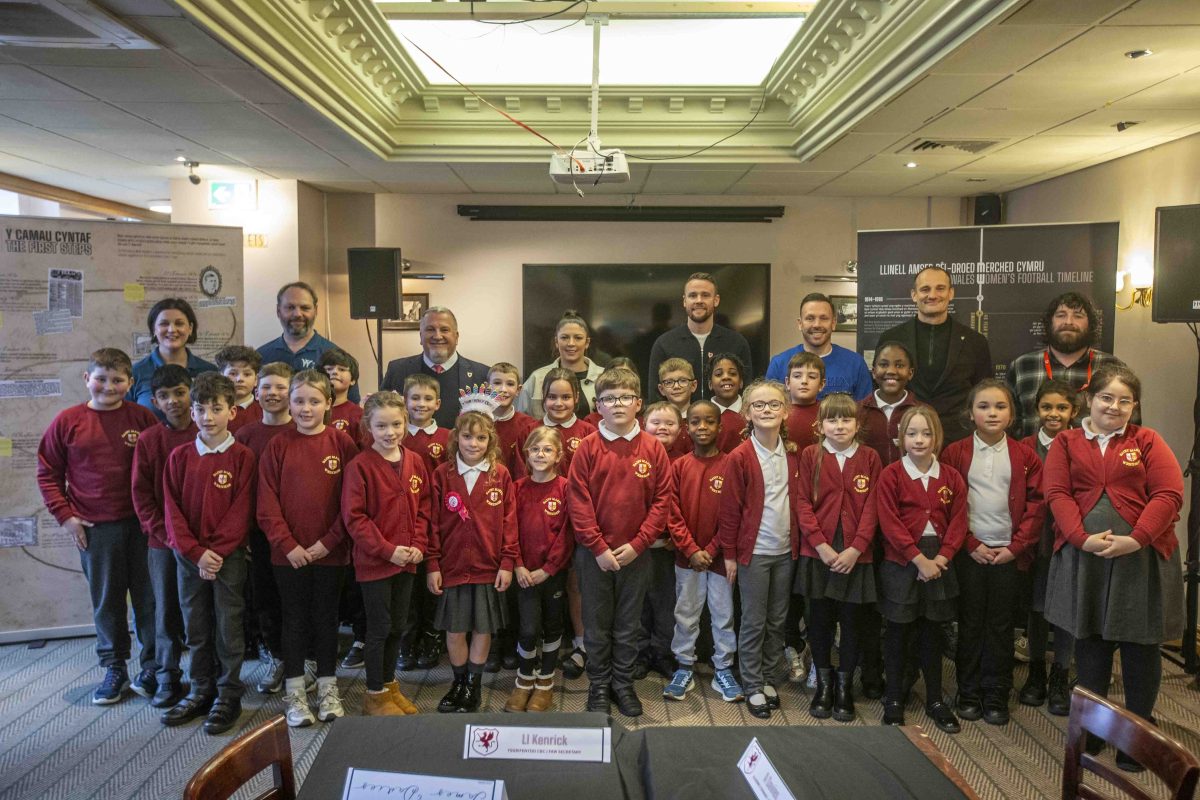
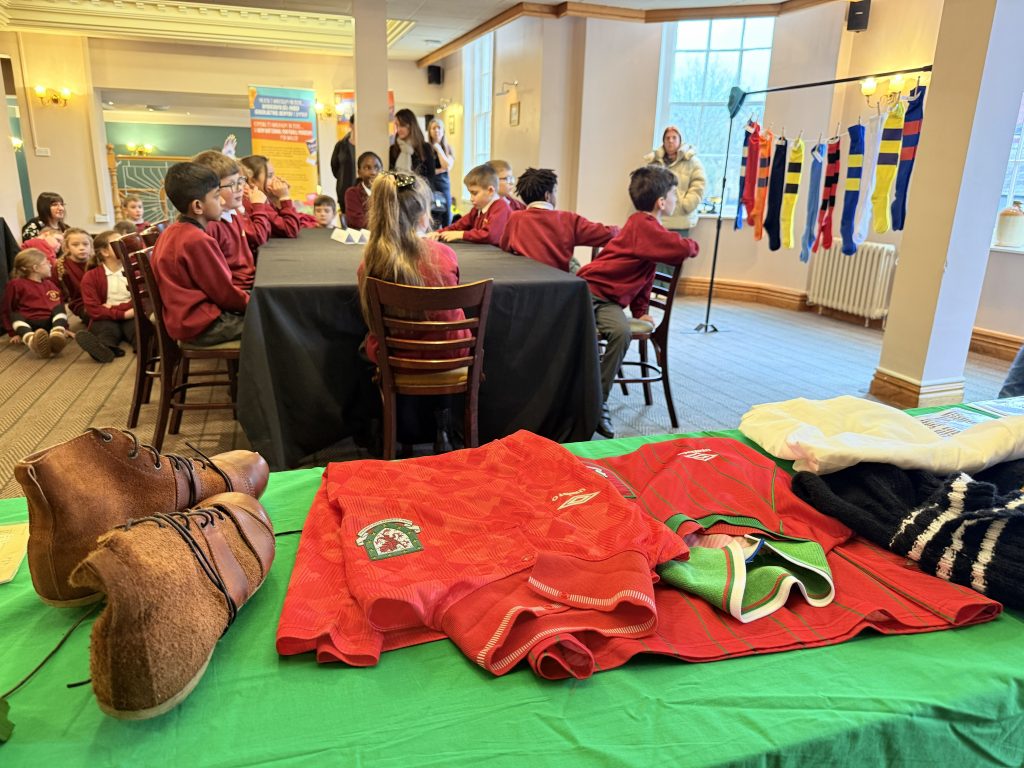
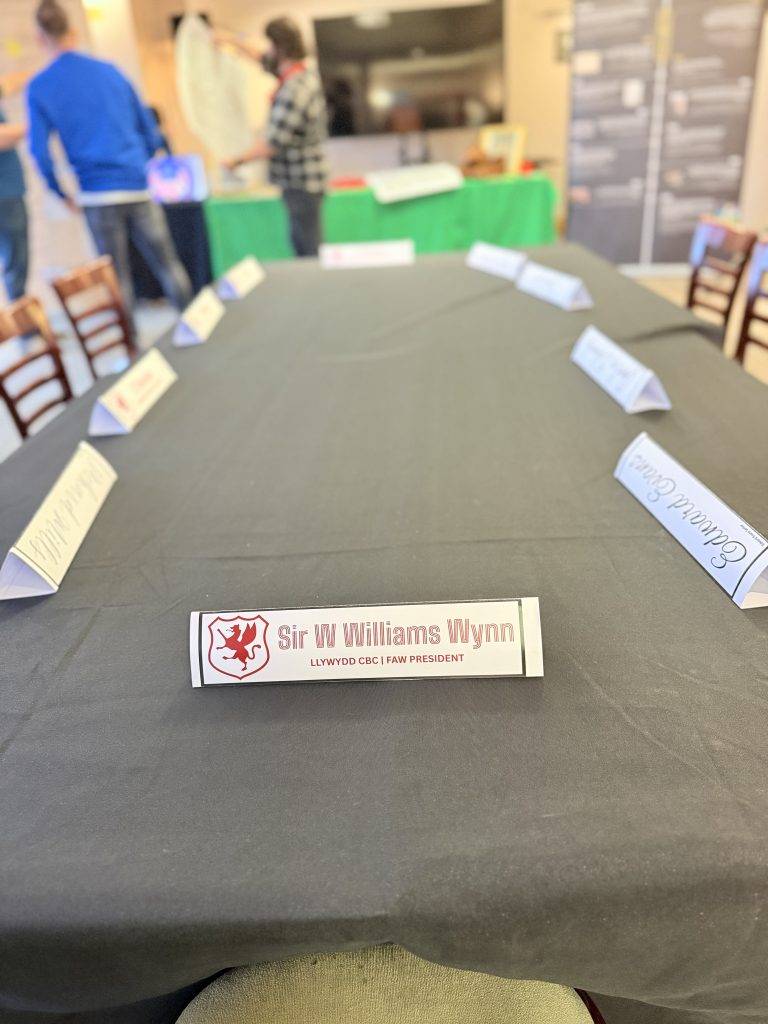
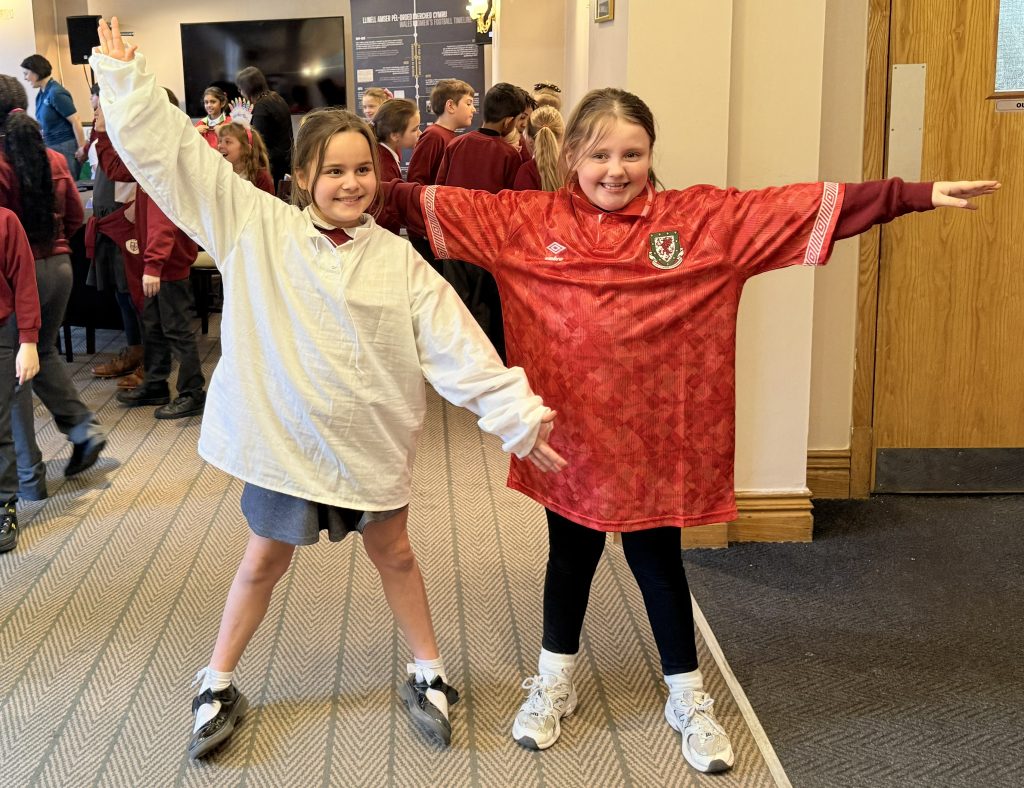
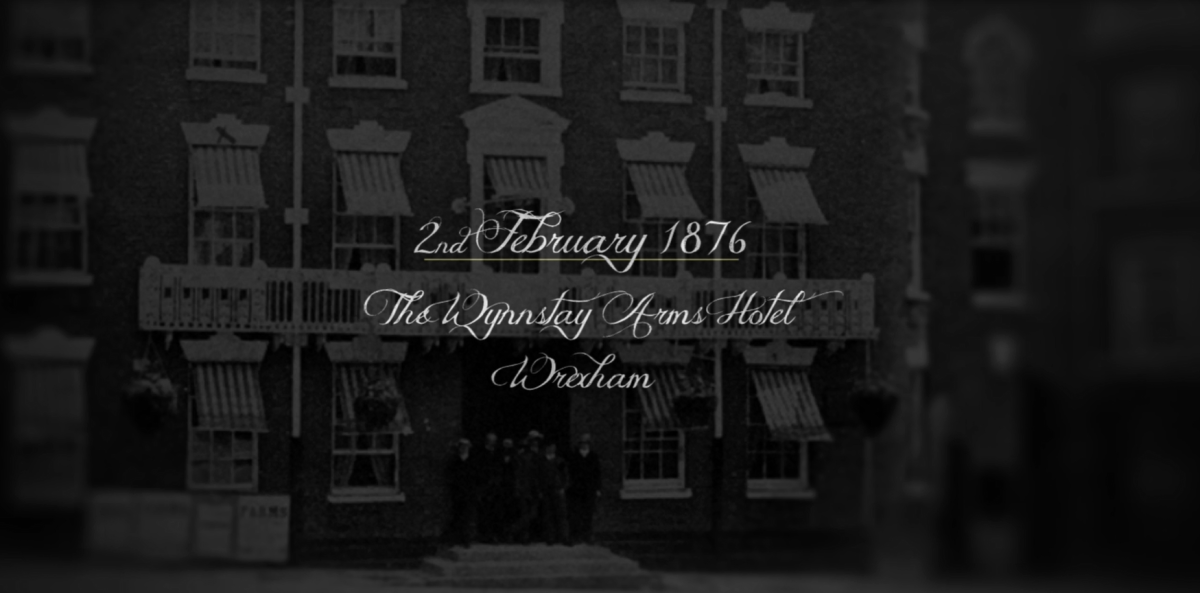
150 years ago, to this very day, the Football Association of Wales was created at the Wynnstay Arms Hotel in Wrexham, where Llewelyn Kenrick chaired its first meeting to accept the challenge of a football match against Scotland.

Categories
Uncategorized

George Clay-Thomas writes once more…

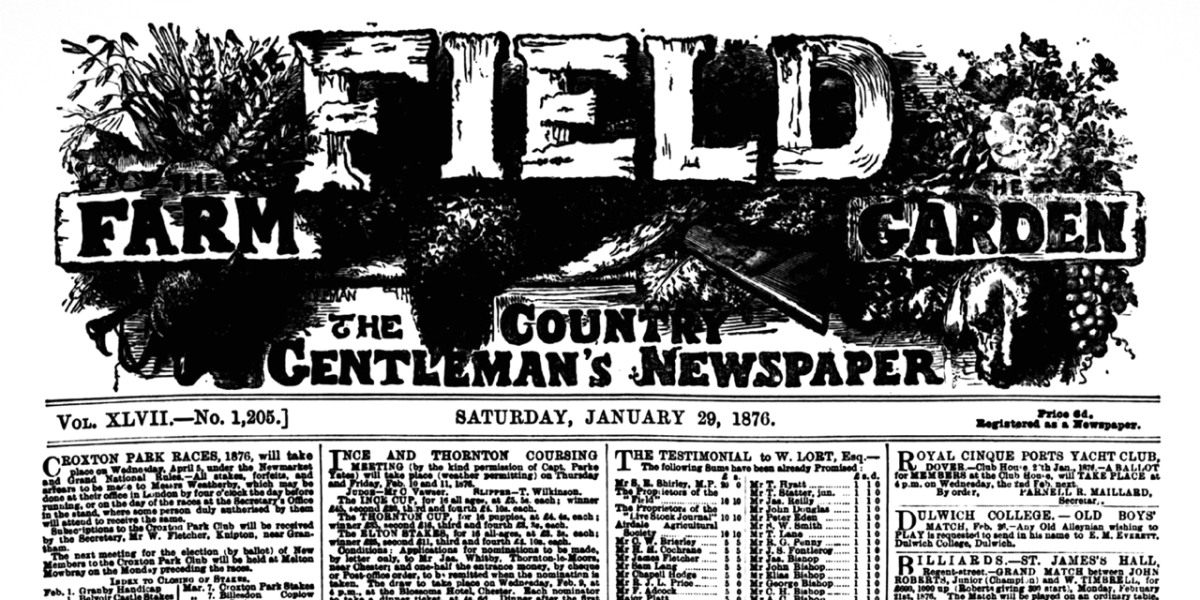
On the 29th January 1876, once again in the pages of the Field, and following the deluge of supportive letters the publication had received over the past three weeks in response to his suggestion about creating a Welsh national football team, George Clay-Thomas writes once more…and he’s not happy!

George had stated quite clearly in his original letter on the 8th January that he was merely suggesting the creation of a Wales team. However, he seemed to be quite upset that the numerous respondents had gotten the wrong end of the stick and were seemingly expecting him to be arranging this London-based match.

He was particularly unhappy with ‘A Highlander’, from a fortnight earlier, who had suggested that this shouldn’t be considered a true Wales side as the players would be Anglo Welsh, but was nonetheless supportive of a match taking place. George seemed particularly aggrieved with Highlander’s suggestions on how he felt George should be proceeding to arrange this match.

With time quickly running out however, George seemed to realize that the only way this match would ever become a reality was if he accepted his fate and, as suggested, stepped in to arrange things. Finishing his letter with a swipe at Highlander he basically said:

“Fine, I’ll make the arrangements for a London-based Welsh team, but you step up and either arrange the Scottish side yourself or find someone else to do it!”

By now, it is evidently clear from his correspondence that Clay-Thomas only had eyes for a match played under rugby rules, despite mentioning Association matches (albeit fleetingly) in his original letter. It’s at this point where the story of Welsh football’s early days veers away from George Clay-Thomas.

Back in Wrexham, even prior to his letter in the Field, Llewelyn Kenrick had been busily engaged in corresponding with players in various parts of Wales, assisted by George and David Thompson, urging them to form football clubs. He was also the main inspiration behind the movement to create the famous Black Park club in Chirk, for whom one of Wales’s most famous sons would decades later begin his career, one Mr. William Henry Meredith!

On the Wednesday following the publication of Llewelyn’s letter, Kenrick chaired a meeting at the Wynnstay Arms Hotel, its sole purpose…to appoint a committee that would arrange a game. As the Field would report later that week on the 29th January:

“A meeting to discuss the project of playing an International football match with Wales according to Association rules was held at the Wynnstay Arms Hotel, Wrexham, North Wales, on Wednesday last, when a committee was appointed to make preliminary arrangements. As soon as the match is definitely fixed, trial matches will take place on the ground of the Denbighshire County Cricket Club at Wrexham, for the purpose of choosing the Cambrian eleven. Gentlemen desirous of playing in these matches are requested to send in their names and addresses to the Chairman of the Cambrian Football Association, Ruabon, as early as possible.”

We didn’t know who the opposition would be, or where we’d play, but we had a plan on how to create a squad. Trials would be held and the callout for potential players had been made…we were up and running.

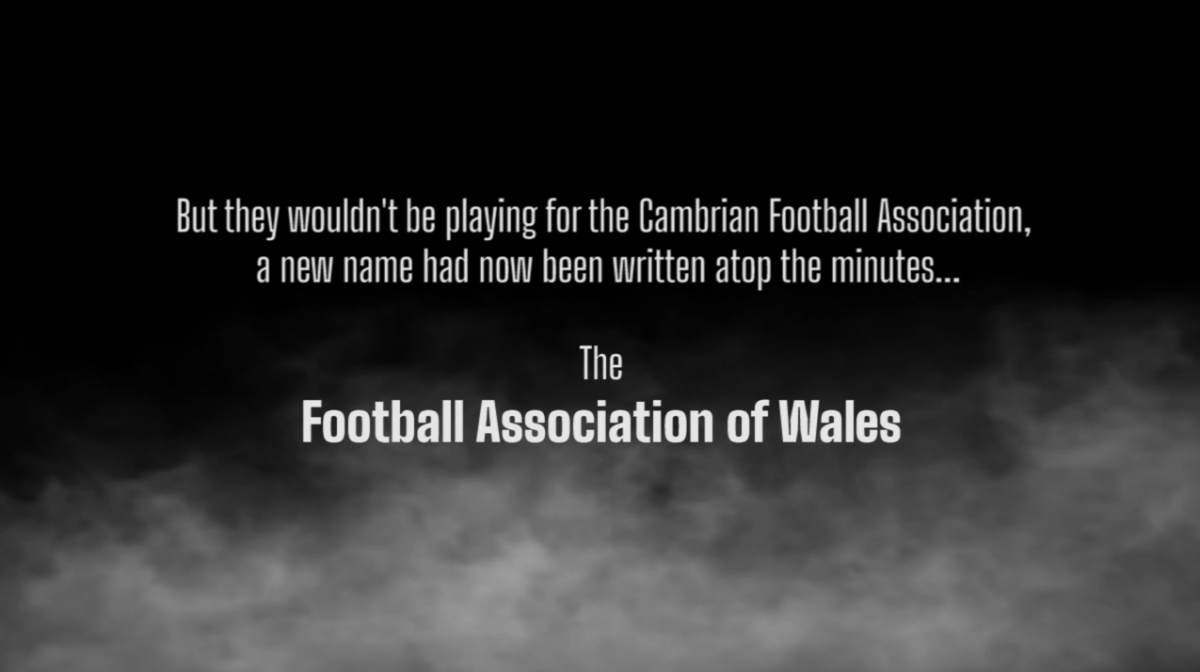
But the Cambrian Football Association? Really?

Surely there’s a better name than that out there!

Categories
Uncategorized

‘Marlborough Nomad’

It is two weeks since Clay-Thomas’ initial suggestion in the Field to create a Welsh national football team, and the replies keep rolling in. In this Saturday’s edition there are a further two responses, regrettably, again using pseudonyms.

The first came from a gentleman who called himself ‘A Marlborough Nomad’. Incidentally, the Marlborough Nomads were a football club founded in 1868 in the Surbiton area of London. They played under rugby rules and in fact were founding members of the Rugby Football Union in 1871, the club was eventually disbanded in 1911.

At this time in 1876 however, the side was still going strong, and we can only surmise that our ‘Mr. Nomad’ held connections with the club, although in which capacity has unfortunately been lost to time. He also was very enthused about Clay-Thomas’ idea but felt time was of the essence if the idea of a match was to be realised that same season. He reiterated the original suggestion of enlisting the newly formed RFU’s help in sourcing a Welsh side and admitted that (perhaps in a nod to ‘Half Back’ from the previous week) Association football matches would probably follow, but that he was only concerned with the rugby side of things.

The other letter, however, was of an entirely different nature…

Sir, – The idea of an international match, under Association rules, between Wales and one of the sister countries, is being very popularly received in North Wales, and a meeting is to be held in Wrexham at an early date next week to discuss the matter, and to form a committee which shall have power to make preliminary arrangements. Any communications that I may receive shall be laid before the meeting to be held at Wrexham.      

It was signed with a single word pseudonym:

‘Cymry’

The Welsh language name for the Welsh people, meaning “fellow-countrymen” or “compatriots”. A truly powerful response to a letter suggesting a London-based team selected from a pool of London-based players. This individual’s team would instead be of the people and for the people of Wales.

History would eventually reveal to us the true name behind ‘Cymry’. He was of course Samuel Llewelyn Kenrick, today celebrated as the father of Welsh football. Kenrick, a 28-year-old solicitor from Ruabon, a keen footballer and founding member of Ruabon Rovers FC, had evidently been busy behind the scenes since Clay-Thomas’ initial letter a fortnight earlier. Whilst George’s rugby match idea still had no clear plan or leader, Samuel had already arranged a committee meeting to flesh out the Association football match and bring it to fruition. Not only had he picked up George’s metaphorical gauntlet…he was running with it!

Thanks to the driving-force of Kenrick, the creation of a national Welsh football team and association was becoming a reality, it had a time, and it had a place…but it needed a name.

Categories
Football Museum Wales

The first response…

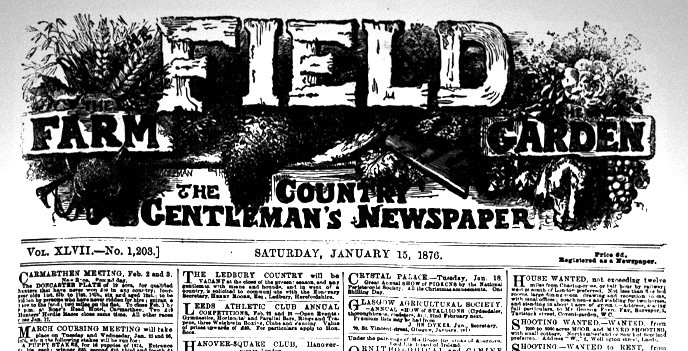
George Clay-Thomas’s initial letter to the Field on 8 January 1876, suggesting the creation of a Welsh national football team, would seem to have been well received. By the very next publication the following Saturday (15 January) two replies were awaiting him, both complimentary…in part!

Most (but not all) of the authors of the letters to the editor of the Field often liked to use pseudonyms. Lucky for us George Clay-Thomas decided to forgo this practice, but his respondents on this day unfortunately did not.

The first response was from a gentleman calling himself A. Highlander. Seemingly speaking from a Scottish perspective, he felt the idea was a good one but was concerned with the suggestion that the teams be selected from players who lived and worked in London. He felt that such teams could not “be representative of their respective countries”, however as long as that point was clarified and understood was fully supportive of the ‘London’ plan. He looked to Clay-Thomas for further guidance on the next steps and to either begin arranging things himself or to nominate someone else to take matters further, even suggesting London-based teams from which a Scottish side could be raised.

The second response came from a gentleman calling himself Half Back. He was also supportive, but equally cynical about only choosing from a pool of London-based Welshmen. He felt the match (from a Welsh perspective) could only go ahead and be considered a true international if the team consisted of players living in Wales. However, unlike Highlander, Half Back was not enamoured with the thought of a match played under Rugby Union rules and instead suggested the game be played according to Association (soccer) rules…indeed he seemed to echo Clay-Thomas’s suggestion from a week earlier that the game of rugby isn’t as popular in Wales when he elaborated that Association rules are “the rules chiefly adopted in the Principality”.

This by the way is the very first instance, anywhere, we’re aware of that the idea of a Welsh national football team playing under Association rules gets mentioned.

Would there be more responses the following week?

Categories
Football Museum Wales Uncategorized

On the 8th January 150 years ago…

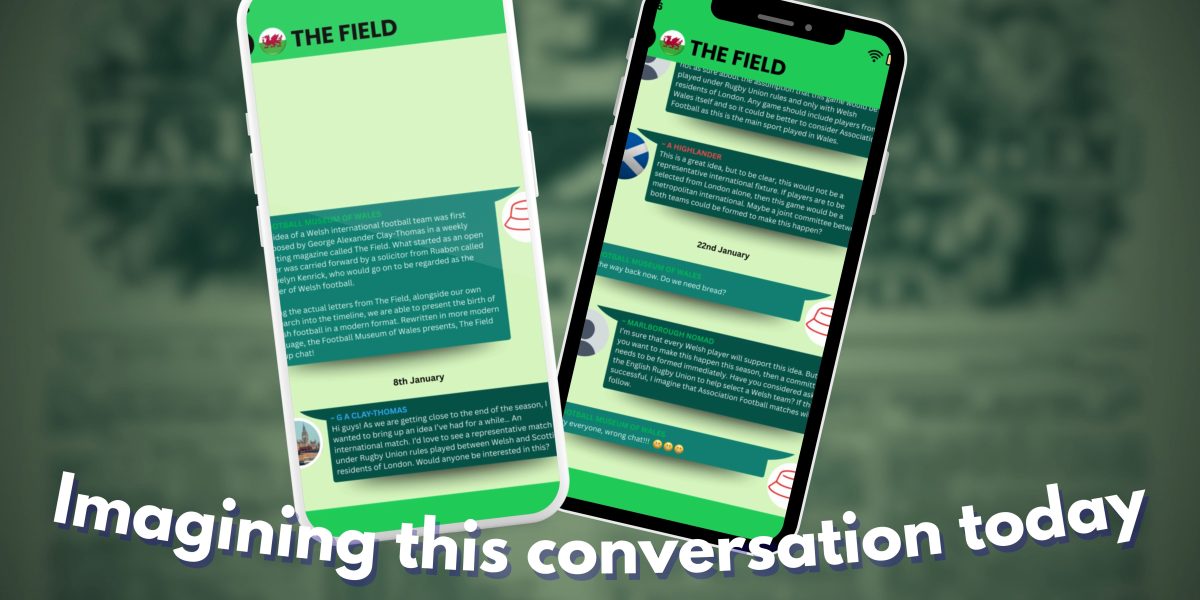
On the 8th January 1876, the spark that lit the blue touchpaper on the creation of the Welsh national football team was struck. It came in the form of an open letter within the pages of the Field newspaper, one of Britain’s foremost sporting publications of the time.

Written by 24 year old George Alexander Clay-Thomas, a London-based coal merchant originally from Carmarthenshire, he’d noticed the increasing popularity of the game and proposed the creation of a Welsh side to challenge one of the already established Scotland or Ireland teams in a match. George however wanted the team to be made up exclusively of fellow London based Welshmen and any eventual match also to take place in the capital.

Both football and rugby were regarded as different codes of the same game back in 1876, both effectively coming under the overarching banner of ‘Football’. George wanted the game to be played under Rugby rules rather than the Association rules of ‘soccer’ and what we today know as football. He even suggested asking for the Rugby Union’s help in spreading the word amongst London’s clubs.

George seemingly felt that ‘football’ was not as popular in Wales as the rest of Britain, and he suggested that the creation of this team would only help to increase its popularity here. We can only surmise however that he probably meant ‘rugby football’ such was his wish to create a side playing ‘rugby rules’. He even mentions in his letter that an ’English twenty would be much too formidable a body’ for an untested Welsh team (teams playing rugby rules in the 1870’s usually had 20 players a side). Was George, now living and working in London, simply ‘out of the loop’ or was he correct in his assumption that rugby was not enormously popular at the time in Wales?

It was never George’s intention to make any further arrangements, however; he merely wanted to raise the suggestion so that others may take the idea forward.

George had thrown down the gauntlet…would anyone pick it up?

Categories
Uncategorized

Best Wishes for Christmas and the New Year

Another huge year for the Wrexham Museum project team, the galleries are changing rapidly with visible progress across the whole development.

We’re excited to start planning next year’s opening events, so please follow progress on our socials, drop us a like and share the news from your brand new Museum of Two Halves.

We’re reflecting on our progress throughout the past 12 months
and can’t wait to share more exciting news with you next year!

Categories
Uncategorized

Wales’ new football museum needs your fan stories!

The new Football Museum of Wales is reaching out for fans of clubs and country to share memorable stories.

The Football Museum will form one half of the new ‘Museum of Two Halves’ being developed in Wrexham.

Set to open in 2026, the football half of the museum will celebrate Welsh football, past and present, in all its diversity, from grassroots clubs to the national teams, as well as highlighting Wrexham’s historic achievements in the sport and celebrating the rich heritage of the County Borough.

The other half of the new national attraction will house a brand new museum for Wrexham. New galleries will be created to display the Wrexham Museum collections.

Collecting stories for future generations to enjoy

Football Engagement Officer at the new museum, Shôn Lewis explains:

“One of the most exciting parts of developing this new museum has been travelling around Wales and hearing some of the amazing stories fans have shared with us. Some are genuinely moving, some are funny and some are just unbelievable!

“Wales has never had a dedicated museum for its national football before so in many cases these stories are being recorded and collected for the first time. We know there must be so many other brilliant stories out there and our task is to make sure they are collected for others to enjoy for years to come.

“It could be an experience you had at a classic (or not so classic) match you attended, a chance encounter with a Welsh football hero, a memorable event at your local club, or just a special footballing memory from your childhood you’d like to share.

“We’re particularly interested in hearing from you if you have a personal item of football memorabilia to accompany your story.

“Whether it’s your local Welsh club or the national team, all these stories are part of the rich tapestry of football history in our country – we want to collect as many as we can!”

Get in touch with the Football Museum Wales team with your story by emailing footballmuseumwales@wrexham.gov.uk

Categories
Football Museum Wales The 'Museum of Two Halves' project Uncategorized

Artist opportunity

Wrexham Museum is seeking an experienced community artist to produce two large textile banners, one themed on Wrexham, and the other, Welsh football which will hang side by side in the new atrium space at the redeveloped museum.

Wrexham County Borough Museum is currently closed for refurbishment, scheduled to reopen in 2026. It is being completely transformed into a unique offer that will combine a new museum for Wrexham with the Football Museum of Wales in one building.

Further details

The museum wishes to commission an artist to work collaboratively with a variety of under-represented communities to co-create two bold, colourful, and striking artworks which have the potential to reach an audience of 80,000 people in year one of opening.

To be installed in 2026, the engaging and ambitious Brethyn Straeon commission will immediately place community and the heritage of both Wrexham and Welsh football at the heart of the new museum.

The artist will work with four Wrexham based community groups and five from across Wales to develop the themes of each banner. Community partnerships are key to the outcome of this project to ensure the end result is representative of Wrexham and Welsh football today. These community groups have already been identified and the project will take place across Wales in locations familiar to participants.

We are open to ideas from a range of artists and we actively encourage applicants from underrepresented groups.

Key dates

Upon appointment, the successful artist will work with museum staff to identify a manageable timetable. The project will commence in September 2025 and finish in March 2026, with the finished banners delivered to the museum and ready to install by February 2026.
The deadline for this commission is July 18th 2025.

Artist fee

A budget of £16,500 has been allocated to this project. This budget is inclusive of all preparation, travel, delivery, accommodation and engagement costs, and studio days.

How to Apply

Please contact museum@wrexham.gov.uk so that we can email the Request for Quotation documentation directly to you.

Please contact us via email if you would like to discuss the commission further prior to applying.

Categories
Football Museum Wales The 'Museum of Two Halves' project

‘Exciting times for the city’ – Wrexham’s brand new national visitor attraction takes shape

The project to create a major new national visitor attraction in Wrexham city centre is now well underway and making great progress!

One of the city’s landmark buildings, the County Buildings, formerly the home of Wrexham Museum, is being transformed into a new ‘Museum of Two Halves’.

Set to open in 2026, the ‘two halves’ of the new museum will include an enhanced and expanded museum for Wrexham, alongside a brand new football museum for Wales.

A ‘Museum of Two Halves’

New galleries are being created to display the Wrexham Museum collections, which means an enhanced experience for visitors and a first-class, modern venue for discovering the fascinating and eventful story of our region of North East Wales.

Wrexham is often referred to as ‘the spiritual home of Welsh football’. As well as being home to the now world-famous Wrexham AFC, it’s also the birthplace of the Welsh Football Association (FAW). The museum is custodian to the Welsh Football Collection – the largest collection of Welsh football memorabilia held in public ownership in Wales.

The new football museum will celebrate Welsh football, past and present, in all its diversity, from grassroots clubs to the national teams, as well as highlighting Wrexham’s historic achievements in the sport.

The Museum is being developed by Wrexham Council’s museum team in association with museum designers, Haley Sharpe Design, architects Purcell and contractors SWG Construction, The Hub Consulting Limited, Goppion and Heritage Interactive.

Funding support for the new museum is provided by Wrexham Council, Welsh Government, The National Lottery Heritage Fund, UK Government and the Wolfson Foundation.

Iconic Wrexham building will be ‘restored to former glory’

To create a new, state-of-the-art museum of requires a significant redevelopment of the existing building – inside and out.

As well as developing a fantastic new museum, this is also very much a conservation project that will see the 167-year-old, Grade II listed building restored to its former glory.

Great care is being taken to unveil the most significant features of the building, while ensuring public access and enhancing accessibility, wellbeing and learning opportunities.

Some of the major work now taking place on the building includes:

  • All the stonework on the outside of the building (including the iconic turrets and chimneys) is being thoroughly cleaned, and repaired where necessary. Repairs have also taken place to the roof where required.
  • The inner courtyard is being transformed into a new, two-storey atrium with a brand new roof and new walkways. The steelwork is now in place, concrete has been poured and access has been developed from the atrium to the new galleries.
  • New internal walls and ceilings are now being installed – a brand new look and an expanded layout for the new museum.
  • The cafe and shop space on the front courtyard are also being totally revamped – new steelwork for these areas has now been put in place and a new zinc roof replacing the glass roof which will enhance the café area.
  • A new electrical infrastructure has been installed including more efficient heating systems and the installation of PV panels to improve energy efficiency.
  • Where possible original features have been retained and original bricks reused to retain and enhance the historical features of the building.
  • A new lift shaft is in place, ready for the installation of the new lift car.
  • New lifts and fully accessible toilets have been included and the spaces have been created ready for fitting out, improving accessibility around the building.
  • New windows have been installed, where original windows couldn’t be retained in keeping with the building, where possible original windows and doors have been retained.

Fitting out the new galleries

Contractors are working closely with the project team to design, develop and construct the interior spaces of the museum, including the new galleries, the shop, and the impressive atrium space in the centre of the building which has been opened up to its full size for the first time since the 1970’s.

Development of the audio and visual parts of the galleries is now taking place, including the production of new film footage.

Welcoming new visitors – a museum designed for everybody

Wrexham’s new museum is being specifically designed to be a welcoming, accessible, community-focused space where everyone will be welcome.

Developing the museum will be an opportunity to create new ways to celebrate and explore the history of Wrexham, Wales and Welsh football. The aim will be to appeal to brand new audiences who may not have visited the museum previously, alongside loyal existing visitors.

This work to reach these new audiences has already started.

While the building work continues to progress on site, the team have been busy organising learning and engagement activities in Wrexham and across the country to help spread the word about the new museum.

The Football Museum Wales Roadshow has been touring regions of Wales over the last few weeks and have had a terrific response, including Porthmadog, Mold, Chirk, Oswestry (well, it’s nearly Wales), Bangor, Caernarfon – and Wrexham of course!

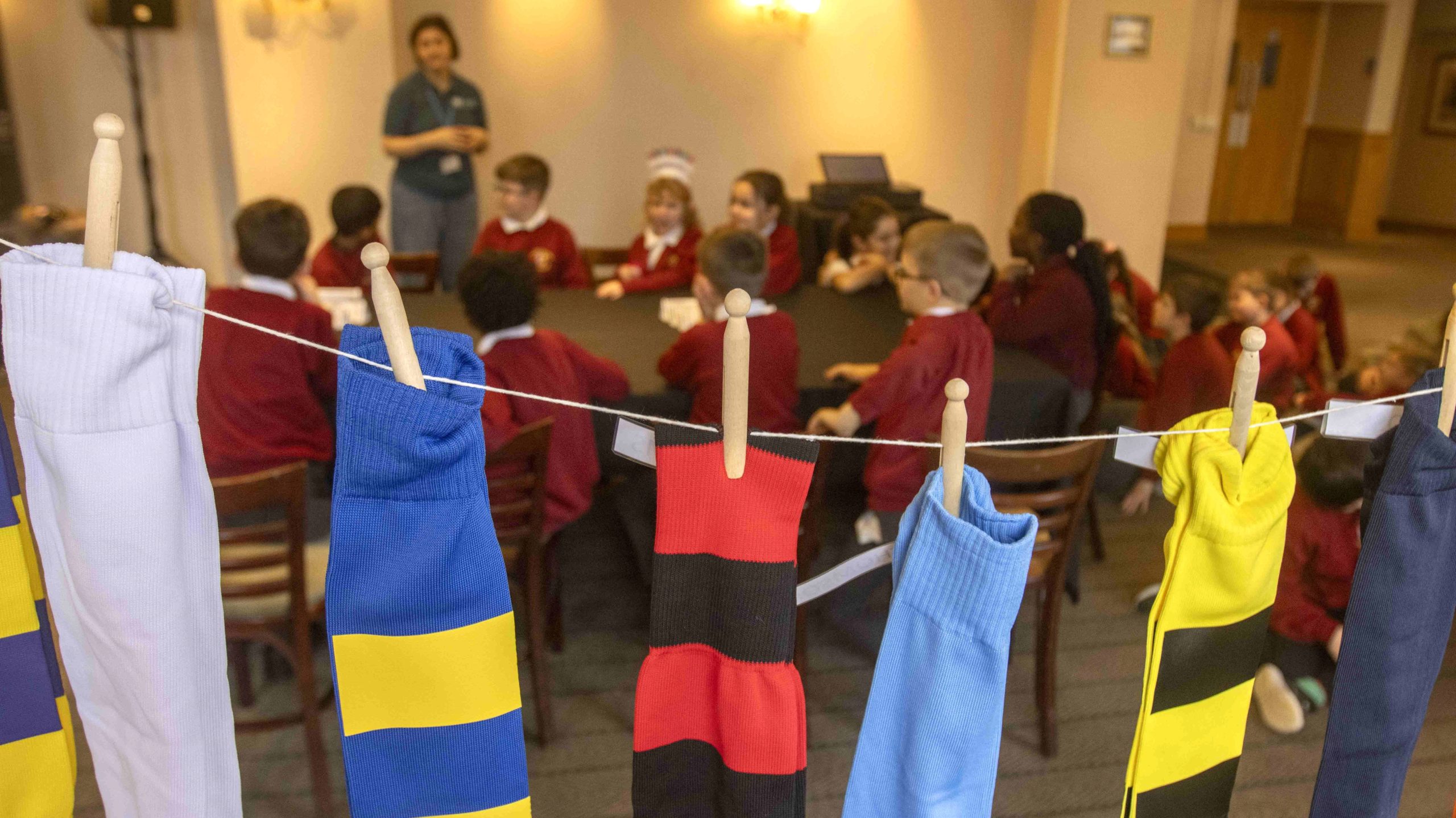
The team have also been engaging with local schools – Bronington VAP School and Rhosddu Primary School were among the first to visit the new Wrexham Museum Collections Store. Here they planned their own museums, made Roman mosaics, played football, listened to a professional storyteller, did yoga, got up close and personal with Paul Mullin and Gareth Bale’s football shirts, and even helped to choose a brand new mascot for the museum!

Councillor Paul Roberts, Wrexham Council’s Lead Member for Partnerships, said: “In what is shaping up to be a fantastic year for culture in Wrexham, it’s a tremendously exciting time for the city to see such great progress being made to transform one of our most iconic buildings into a state of the art visitor attraction.

“The new museum will be a hub for our entire community, a place where residents and thousands of new visitors can come together to learn and explore – a fantastic new resource for everyone who lives here and another boost to the city’s flourishing national and international profile.”

“As well as the great building progress on site, the museum team have also been busy organising engagement events across the country as part of the vital work to reach new audiences and ensure that everyone will be encouraged to visit when the museum opens next year. This work will include a significant presence on the Maes of the National Eisteddfod in Wrexham this August.”

Find out more

Visit the Museum Pop-Up space on Queen’s Square (just behind the benches opposite Caffè Nero) to view the design plans for the museum and speak to the museum team. We also have a range of unique gifts, books, cards and more for sale, all inspired by our exhibitions and Wrexham’s local history.

The Museum Courtyard Cafe has relocated to a temporary location at Tŷ Pawb’s Food Court, while the museum building is closed for redevelopment. The menu still includes the usual range of delicious home-made light meals, coffees, sandwiches, soups, cakes and irresistible desserts!

Wrexham Archives has now relocated to a brand new, permanent home at Wrexham Library.

Subscribe to our mailing lists to receive news about the project straight to your inbox.

Wrexham Museum Mailing List

Football Museum Wales Mailing List

Follow us on social media for regular news about the project and related events:

Wrexham Museum
Facebook

Football Museum Wales
Facebook
Twitter/X

Visit the website for full details about the project