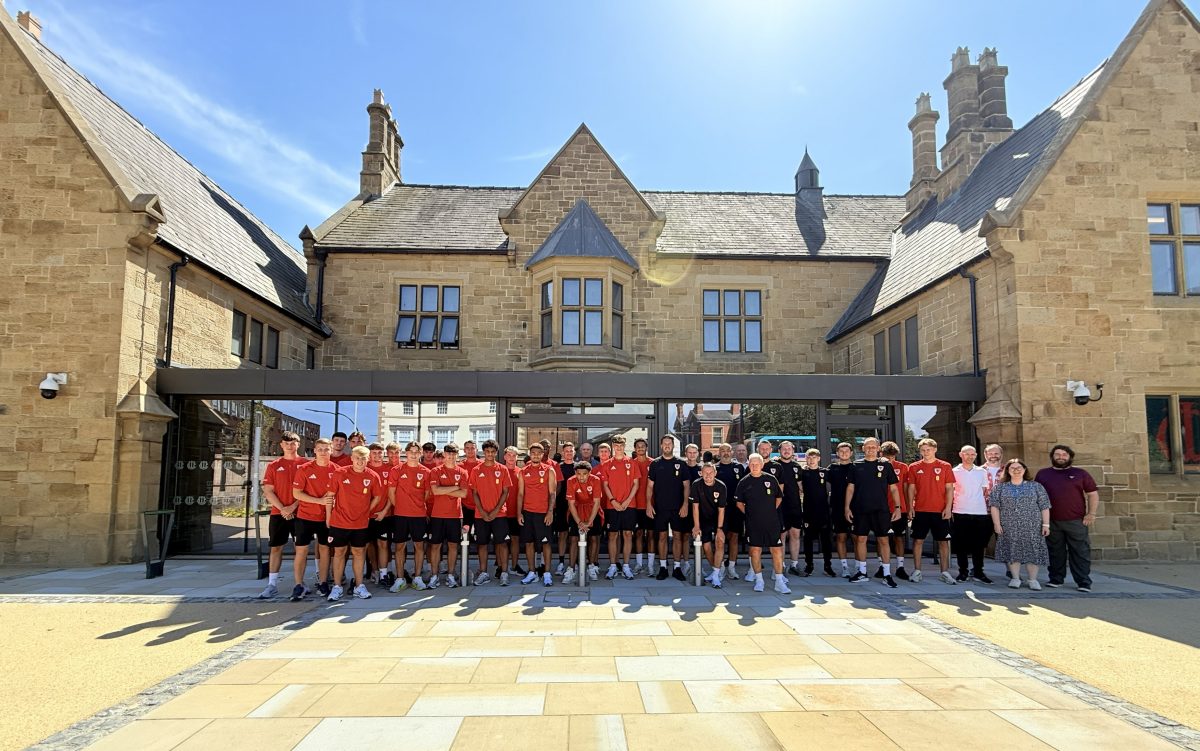
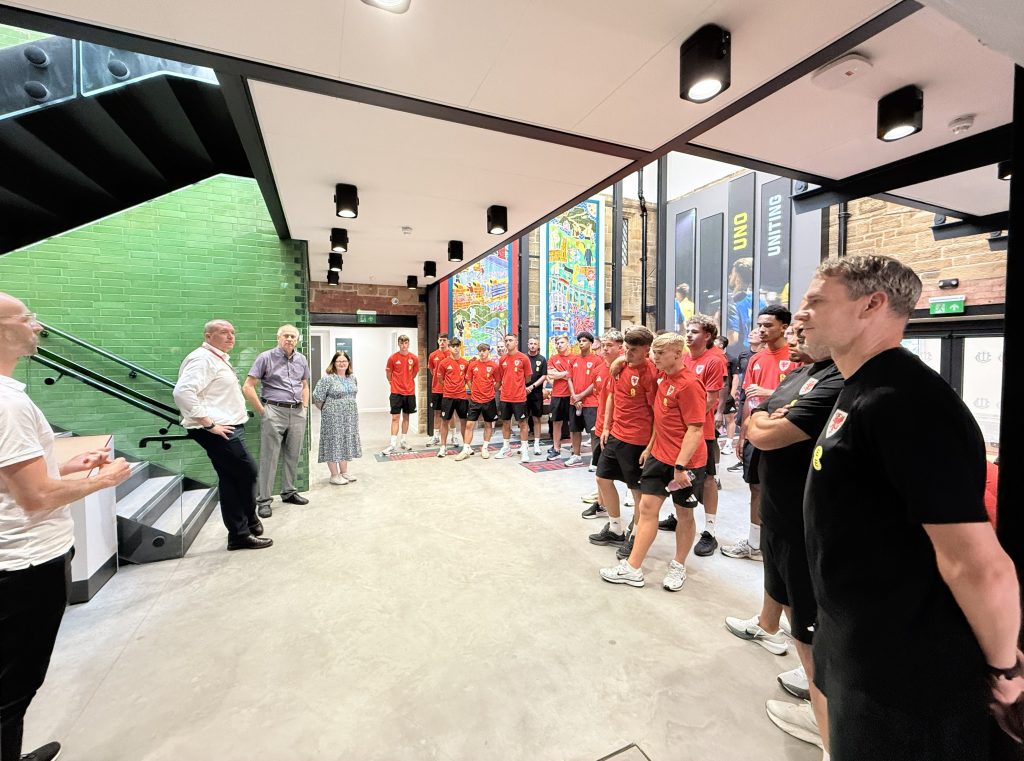
The Wales U19 men’s squad took time out from preparing for the UEFA Championships, by paying a visit to the new Football Museum of Wales & Wrexham Museum.
Although not quite ready to open its doors to the public, the museum was able to offer the squad a ‘sneak preview’ visit following a morning’s training session.
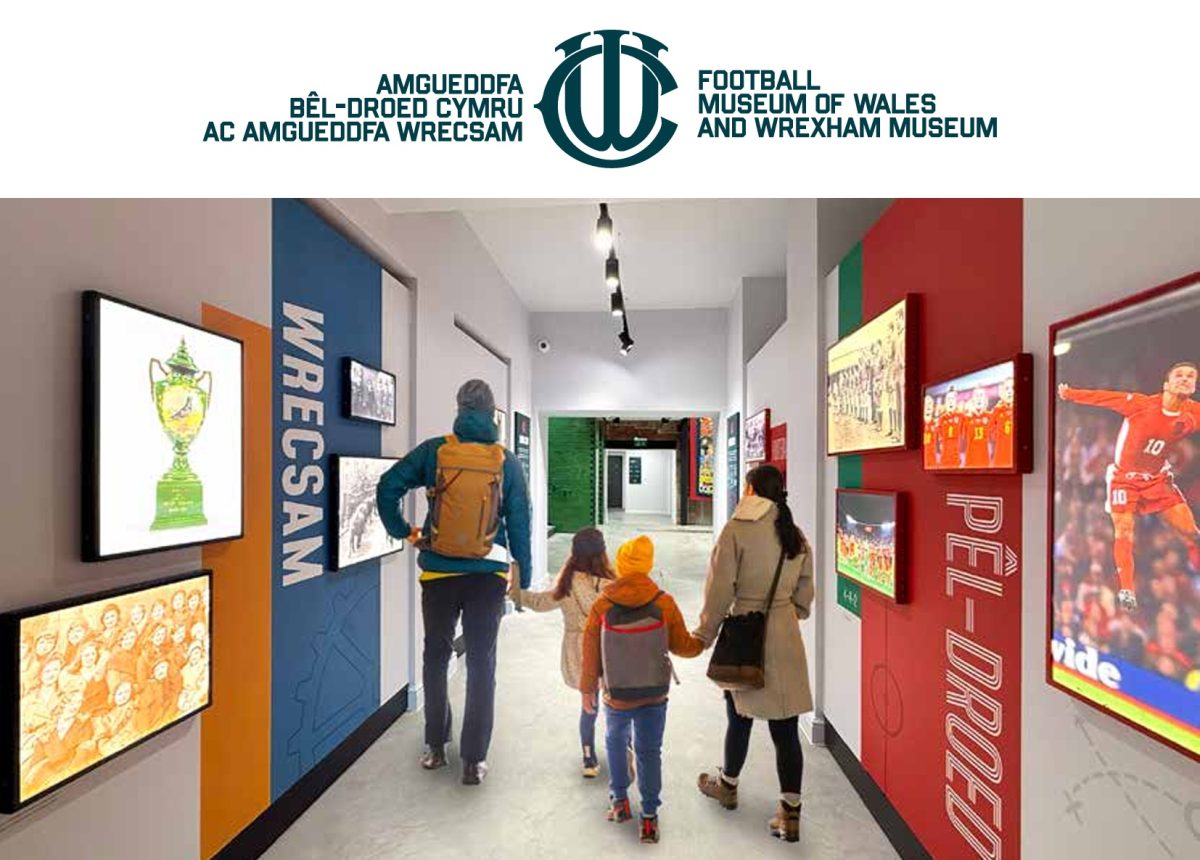
The team enjoyed tours of both football and local history galleries before spending some free time exploring the many interactives and hands on experiences on offer.
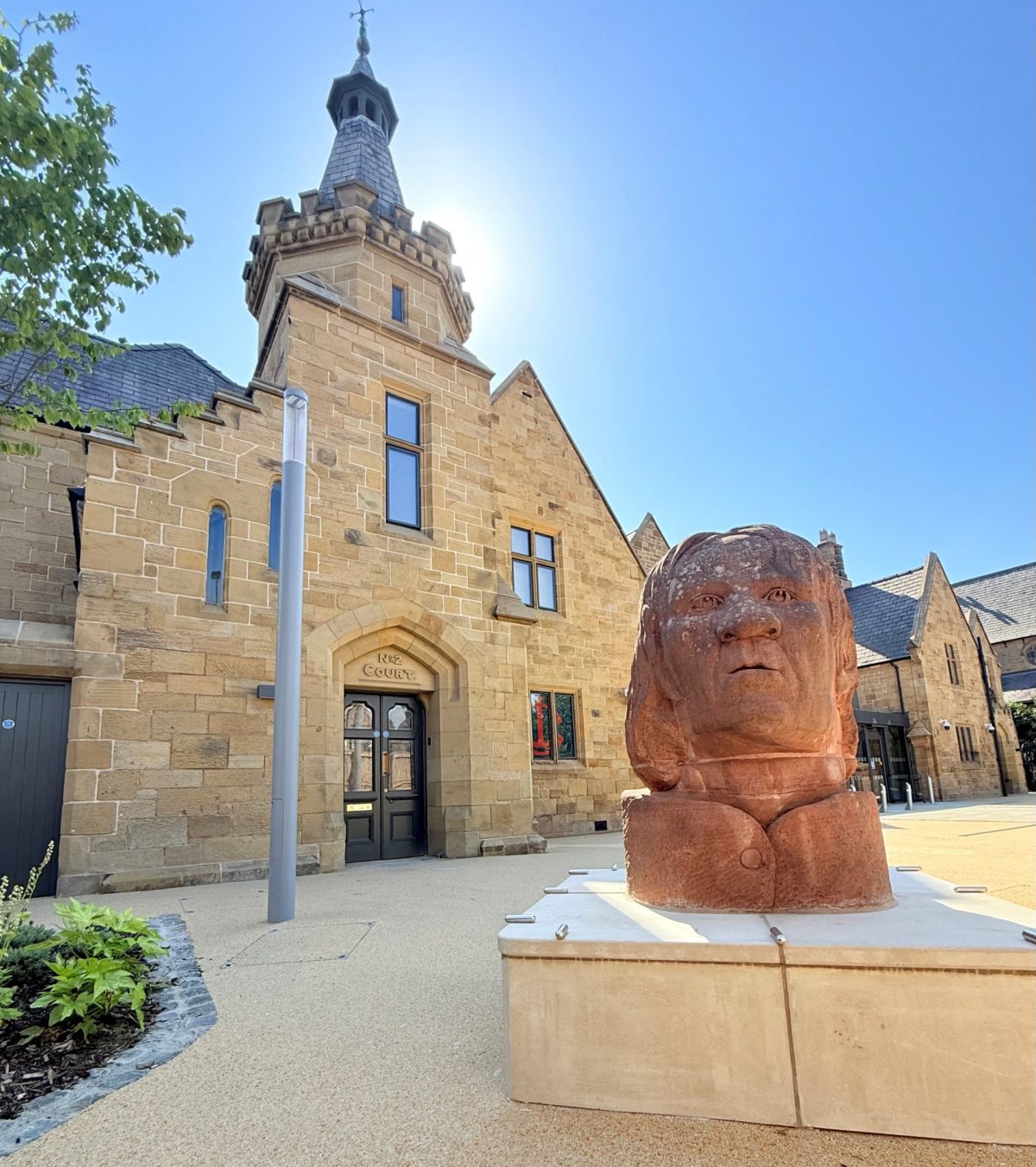
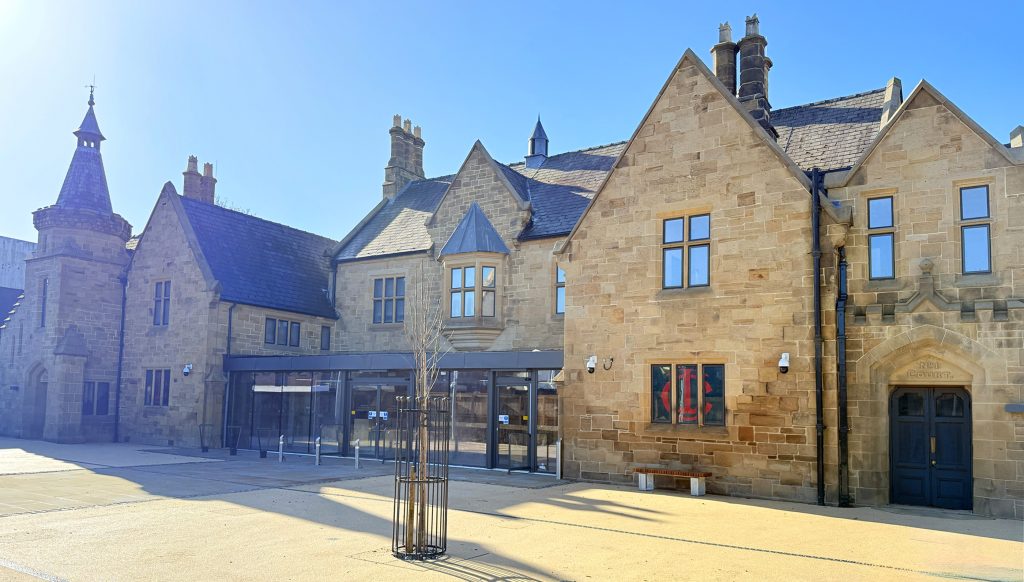
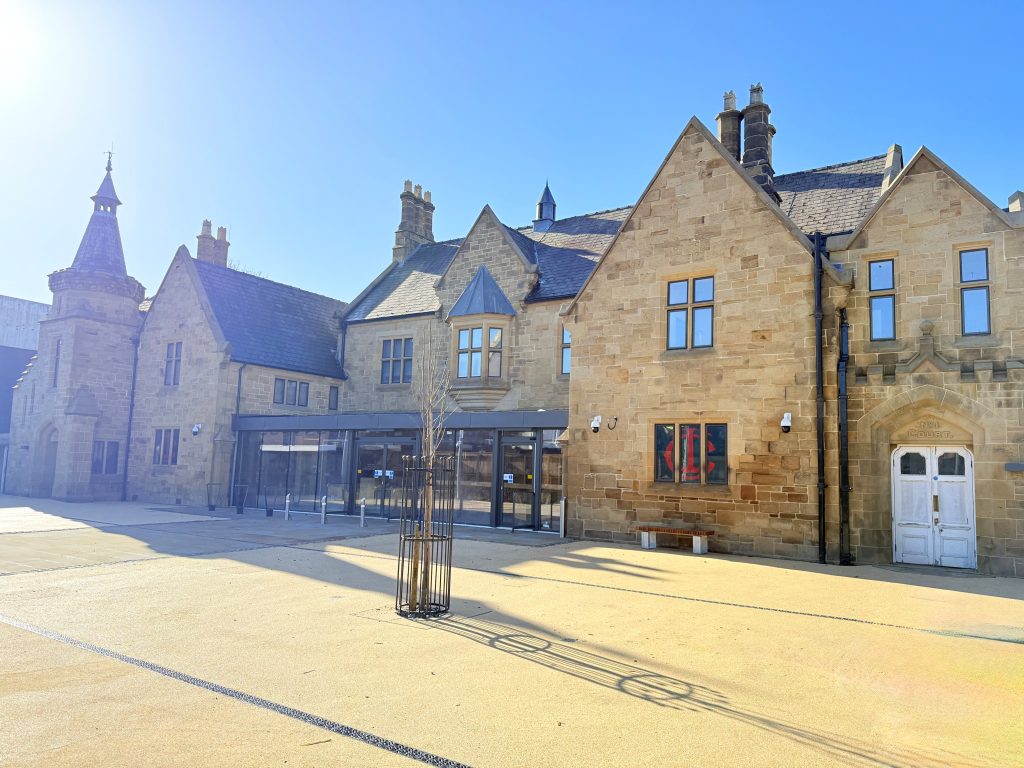
The visit concluded with a team photo in the sunshine in the newly landscaped area at the front of the museum.
Thanks for visiting us lads and good luck in the tournament!
We want to hear directly from a range of families to help shape our events, discuss ideas, and develop our new family programme.
We want to know what a visit looks like for you and any barriers you may face in accessing the museum. You can choose between regular in-person meetings, one-off focus groups, participating remotely, or completing questionnaires or surveys.
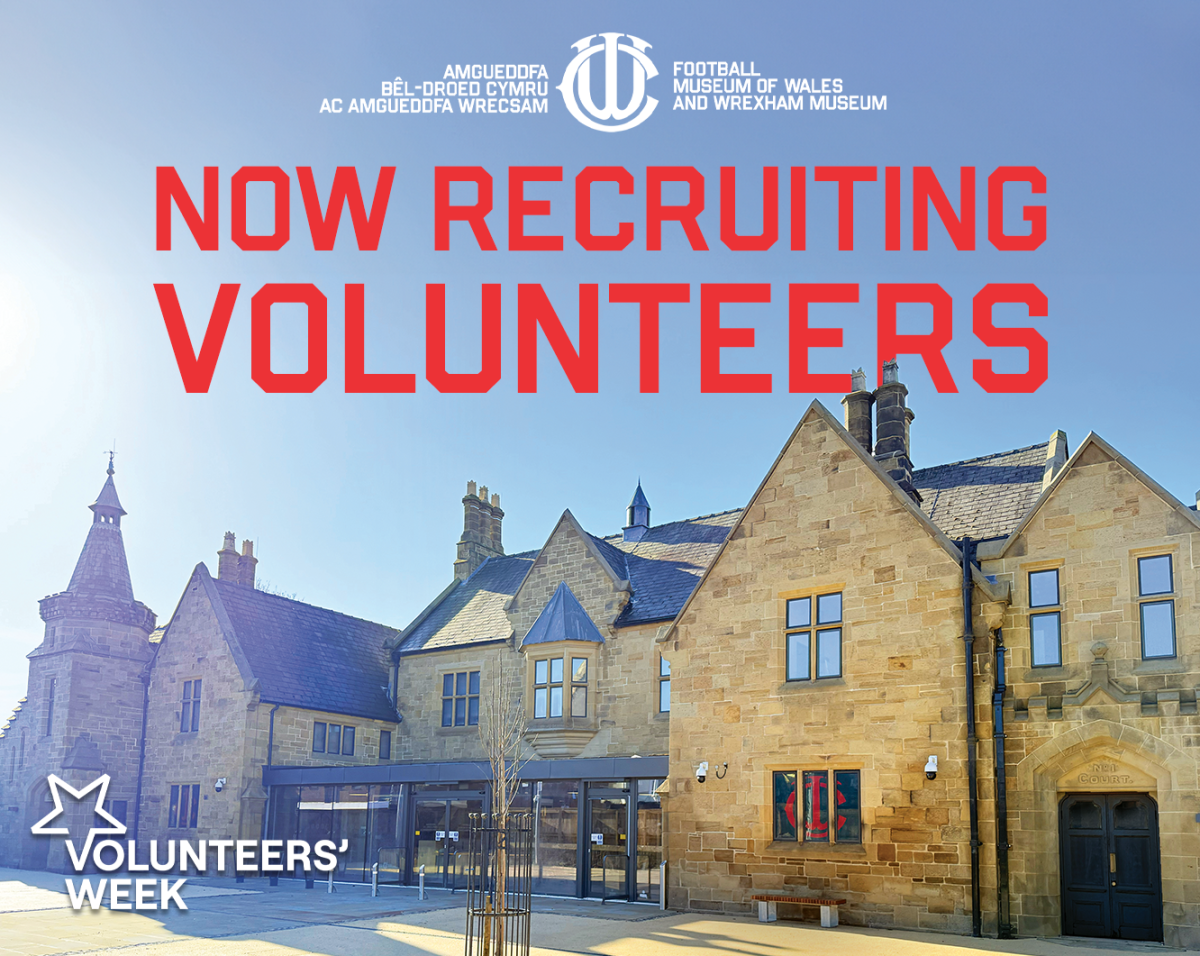
Celebrate Volunteers Week with us and join our new volunteer programme!
We’re currently looking for friendly, approachable, enthusiastic and reliable Welcome Volunteers who are over 18 years of age to join our friendly team.
You’ll provide a warm welcome to visitors, and help them discover, explore and enjoy exciting stories of Welsh Football and Wrexham’s history in the unmissable new visitor attraction on Regent Street.
We’ll be open on weekdays, weekends and during the school holidays with set session times you can sign up to around your availability.
There are lots of benefits to volunteering with us including:
Meeting new people and being part of a friendly team
Gaining museum and heritage experience
Discovering stories of Wrexham and Welsh football
Getting involved in a range of different projects and activities
Football Museum of Wales and Wrexham Museum are preparing to open a brand new, world-class attraction in North Wales.
This is your opportunity to shape incredible visitor experiences and share cultural and Welsh football heritage. We’re recruiting now for multiple dynamic roles to join our growing museum team.
How to Apply
Ready for your next career move? Review the full job descriptions and apply through our portal:
Deadline:
o Administration Officer – Applications close on Wednesday 24 June 2026 o Events Officer – Applications close on Friday 26 June 2026 o Commercial Manager – Applications close on Wednesday 17 June 2026
Eight of Wrexham’s most loved and distinctive attractions have come together in a new joint venture designed to showcase the very best the county borough has to offer.
The collaboration brings together a diverse mix of heritage, culture, science and natural attractions to create an easy-to-follow, family-friendly visitor trail that encourages both residents and tourists to explore, connect and discover Wrexham in a new way.
The trail highlights eight must-see locations across the area, guiding visitors through a journey that spans 314 million years of history, from ancient, fossilised forests industrial heritage to modern culture, creativity, innovation, science and the future we are building today.
Participating attractions include:
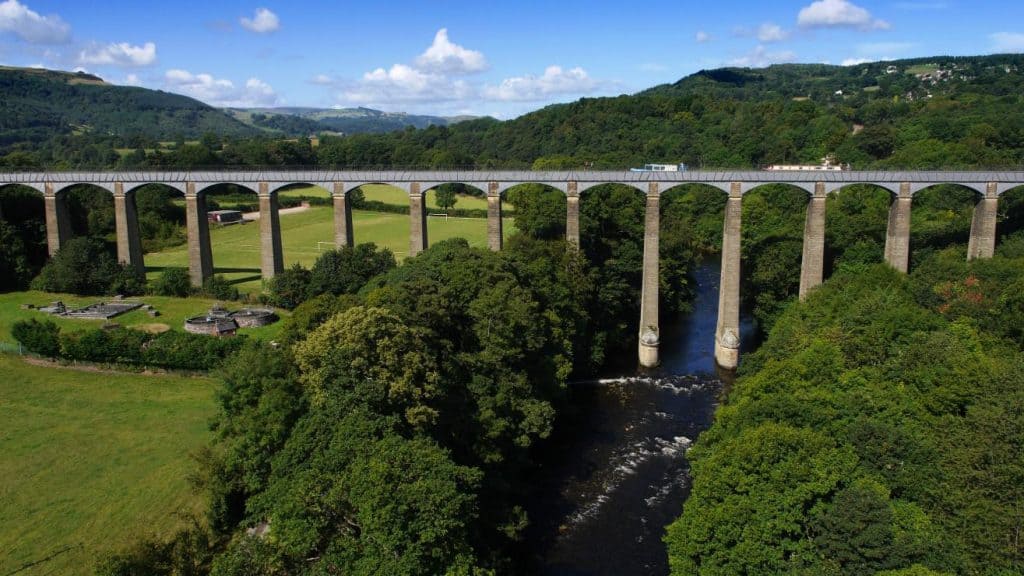
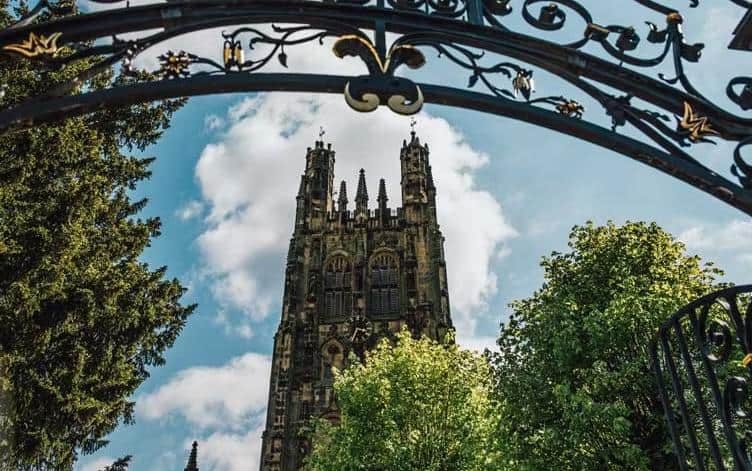
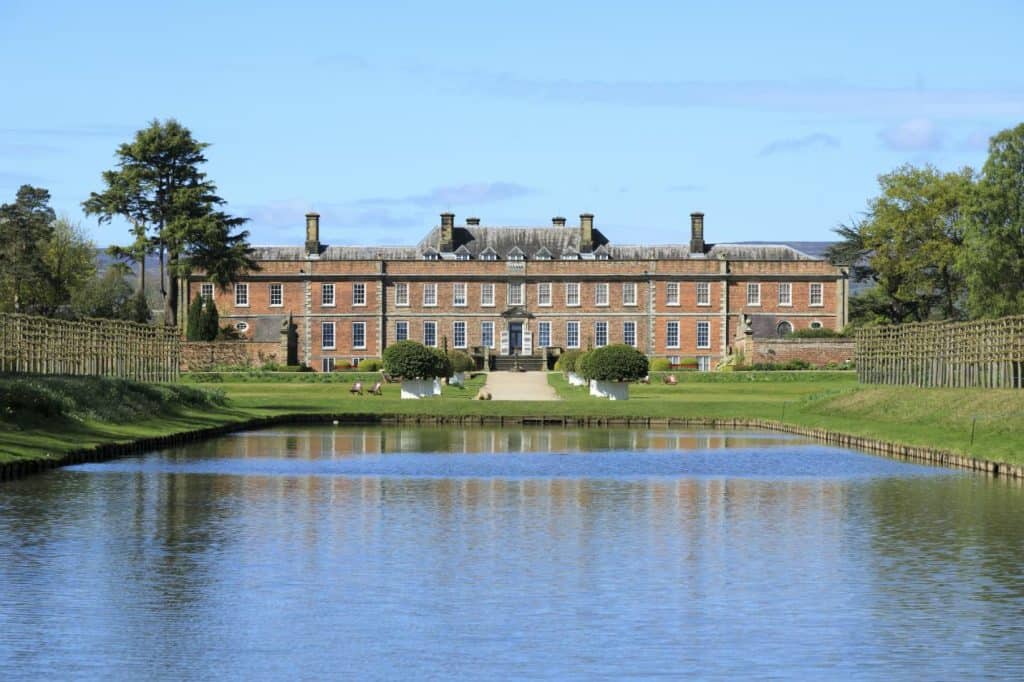
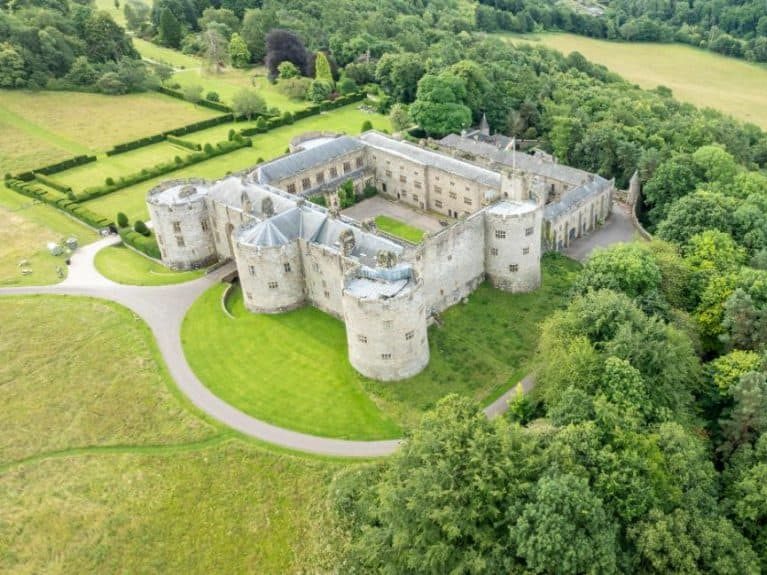
Pontcysyllte Aqueduct & Visitor Centre Stori Brymbo – (Opens June 2026) Xplore! Science Discovery Centre Wrexham Miners Project St Giles’ Church Erddig Hall & Garden Chirk Castle & Garden Football Museum of Wales and Wrexham Museum (Opens 2026)
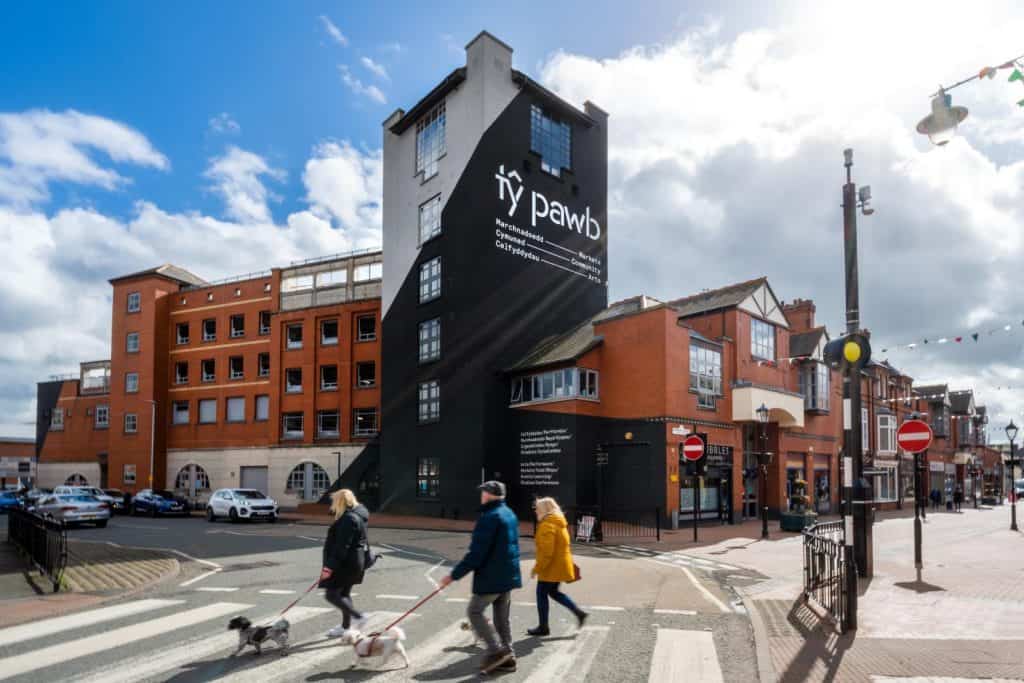
Also included on the trail is Wrexham’s multi-award winning markets, arts and community hub, and home of Wrexham Visitor Information Centre, Tŷ Pawb.
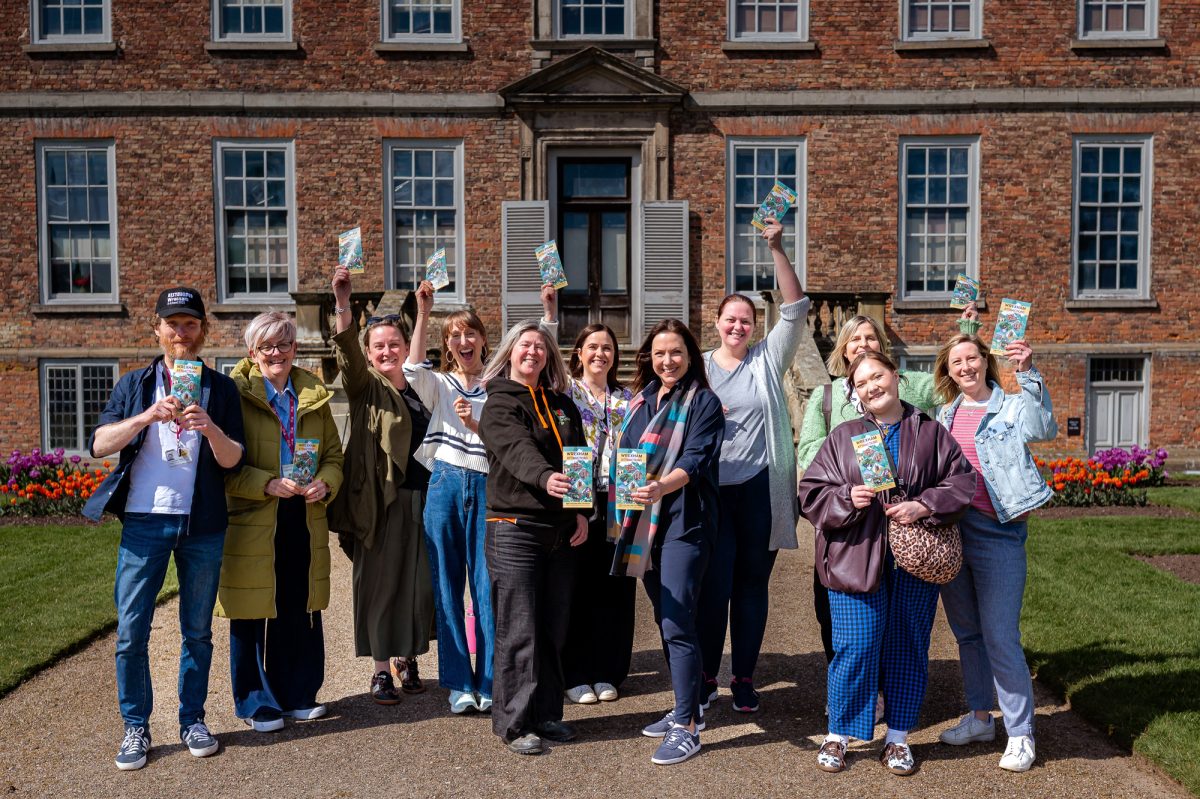
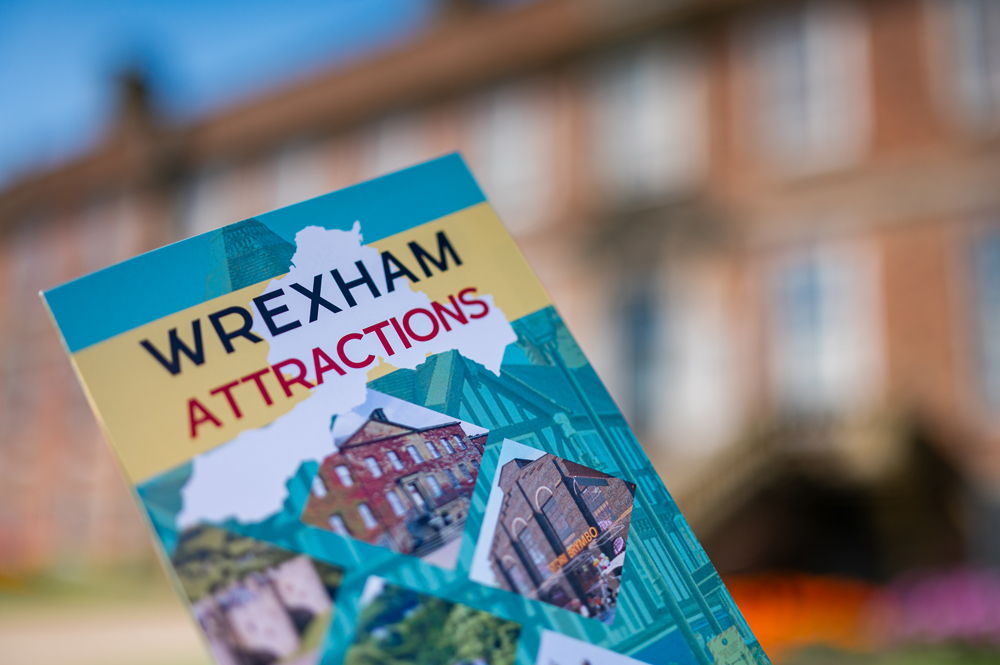
Visitors are encouraged to follow the illustrated trail, explore each site and engage with interactive experiences along the way, collecting stickers at each stop to enhance the journey.
‘Shining a light’ on what Wrexham has to offer
A spokesperson for the partnership said:
“This trail is about more than just visiting places — it’s about telling the story of Wrexham. By working together, we’re creating a stronger, more visible offer that invites people to experience the richness, heritage and creativity of our area.
“This joint initiative is a strong example of cross-site collaboration, with organisations working together to strengthen Wrexham’s visitor offer and create a more connected tourism experience.
“With Wrecsam launching their bid to become UK City of Culture 2029, this is an ideal time to showcase the fantastic range of attractions across the county borough. This collaboration highlights what Wrexham does best — bringing people, places and experiences together to shine a light on everything the area has to offer.”
The project has been made possible thanks to funding secured through This is Wrecsam’s Key Fund Grant from the UK Government’s Shared Prosperity Fund.
Cllr Nigel Williams lead member for Economy Business and Tourism said: “This is Wrecsam, Wrexham’s official destination partnership, is crucially not council led but it is council supported. This gives the members freedom to collaborate and focus on improving customer experiences. I’m thrilled to see the Visitor Attractions sub-group taking the initiative and launching this trail. It is a fresh way to showcase the variety of visitor attraction experiences available across Wrexham County and their interconnected stories. Wrexham has a lot to offer for people who live locally and those who are visiting to explore.”
Paul Roberts, Lead Member for Partnerships and Community Safety WCBC said: “Wrexham is embracing arts and culture, and collaborative projects to connect our local attractions at this time are testament to the power of partnerships within our thriving city. This clear signposting and cross-promotion of the region’s attractions enhances the visitor experience. With mounting anticipation for our new museum and refurbished attractions; along with increasing enquiries from those seeking longer stays in the region; we’re expecting to attract wider audiences to Wrexham this year.”
Wrexham ‘growing as a cultural destination’
Lead Member with responsibility for Tŷ Pawb and City of Culture, Cllr Hugh Jones, said: “The calibre and variety of attractions on the trail is a shining example of how Wrexham is growing as a rich, unique cultural destination – two of the attractions listed are brand new, opening this year. We are delighted to see Tŷ Pawb part of such a formidable list of attractions. The trail will be an excellent guide for visitors, providing fantastic ideas for exploring our county.”
The trail official goes live on 1st May, with maps available across participating sites and at Wrexham Visitor Information Centre, as well as online.
Wrexham’s ‘Museum of Two Halves Project’ Unveils New Name and Logo at Official Brand Reveal Event
Minister for Culture, Skills and Social Partnership – Jack Sargeant
Wrexham unveiled a defining moment in its cultural journey today, with the official brand reveal of the museum’s new name and logo, a fresh identity deeply-rooted in the region’s proud footballing heritage celebrating community spirit within a county steeped in rich cultural and industrial history.
The preview event, held at the newly named ‘Football Museum of Wales and Wrexham Museum’, brought together Welsh Government with Wrexham County Borough Council and the museum.
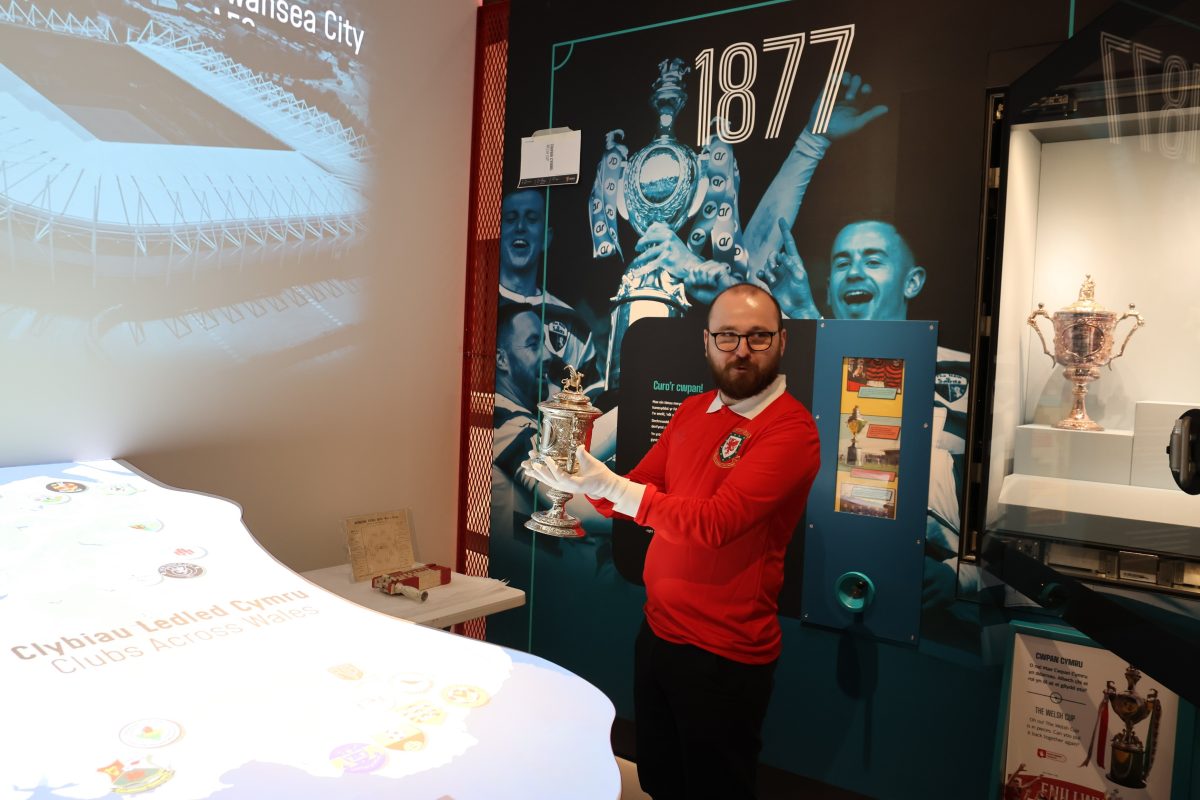
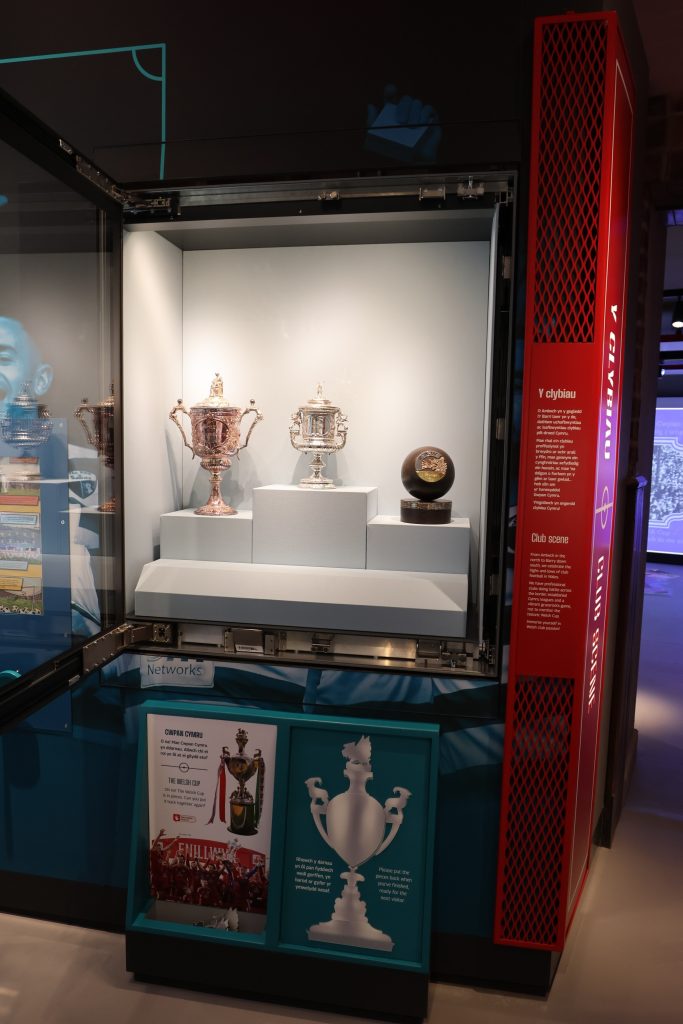
Reflecting the significance of football in life across Wales, the event featured a ceremonial placement of cherished football memorabilia into the first of the bespoke display cases; unveiled specially for the event.
This formal nod to the sport’s deep cultural contribution within a space dedicated to linking past heroes with future generations, signals an important step forward for the long-awaited museum, the transition from construction to curation and storytelling as it moves closer to opening.
“Today’s visit represents a defining moment for Wales’ newest museum. It brings together our mission for a Football Museum of Wales, a fitting home for our National football collection and ambition to deliver a destination that will inspire visitors for generations to come.” Jack Sargeant – Minister for Culture, Skills and Social Partnership commented. “This new identity captures the pride we all feel for our football heritage and the role this museum will play in celebrating the game that unites our communities.”
This re-brand is not just an aesthetic change, but a vision for how the museum will honour the stories, triumphs, and memories of football fans and players alike. Thanks to essential funding from Welsh Government alongside other funding partners, the museum project team have delivered an exceptional visitor attraction, celebrating football’s role in Welsh culture and community – demonstrating how sport heritage and local history continue to connect people across generations.
Paul Roberts, Lead Member for Partnerships and Community Safety WCBC said: “Sport inspires generations – and this brand reveal marks a massive step toward honouring that legacy in a way that everyone can be proud of. We are all looking forward to the opening of this museum with great anticipation and pride.”
This new brand forms part of an extensive creative project which will be rolled out across the Museum’s digital platforms in the coming weeks.
“Seeing the brand come to life and these first objects placed into the museum is a significant milestone. Our interactive exhibitions and public programming will offer a unique opportunity for those interested in both Wrexham’s and Welsh Football’s cultural tapestry, to explore and celebrate our fascinating history.”
Added Alwyn Jones, Chief Executive WCBC. “Today’s event is an exciting reminder that this building will soon be alive with visitors, stories and shared experiences.”
Work continues behind the scenes, with interior fitting and gallery preparation well underway. Project teams are currently focused on installing state-of-the-art displays, interactive elements and visitor amenities, as the galleries takes shape.
Opening date announcements and details of upcoming exhibitions will be shared as soon as they are confirmed.
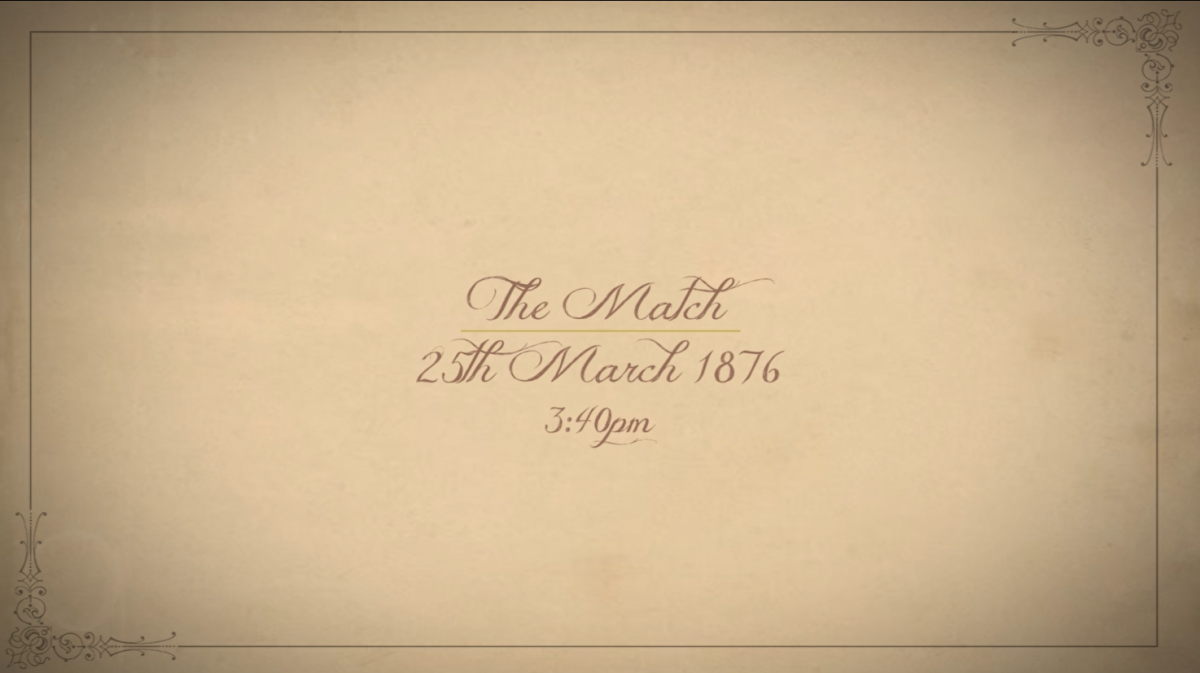
150 years ago today saw the search for players for the first ever Cymru team come to an end as they prepared to face Scotland NT in Glasgow on 25/03/1876.
Tim Pel Droed Cymru yn 150 blwydd oed. FAW 150 year anniversary.
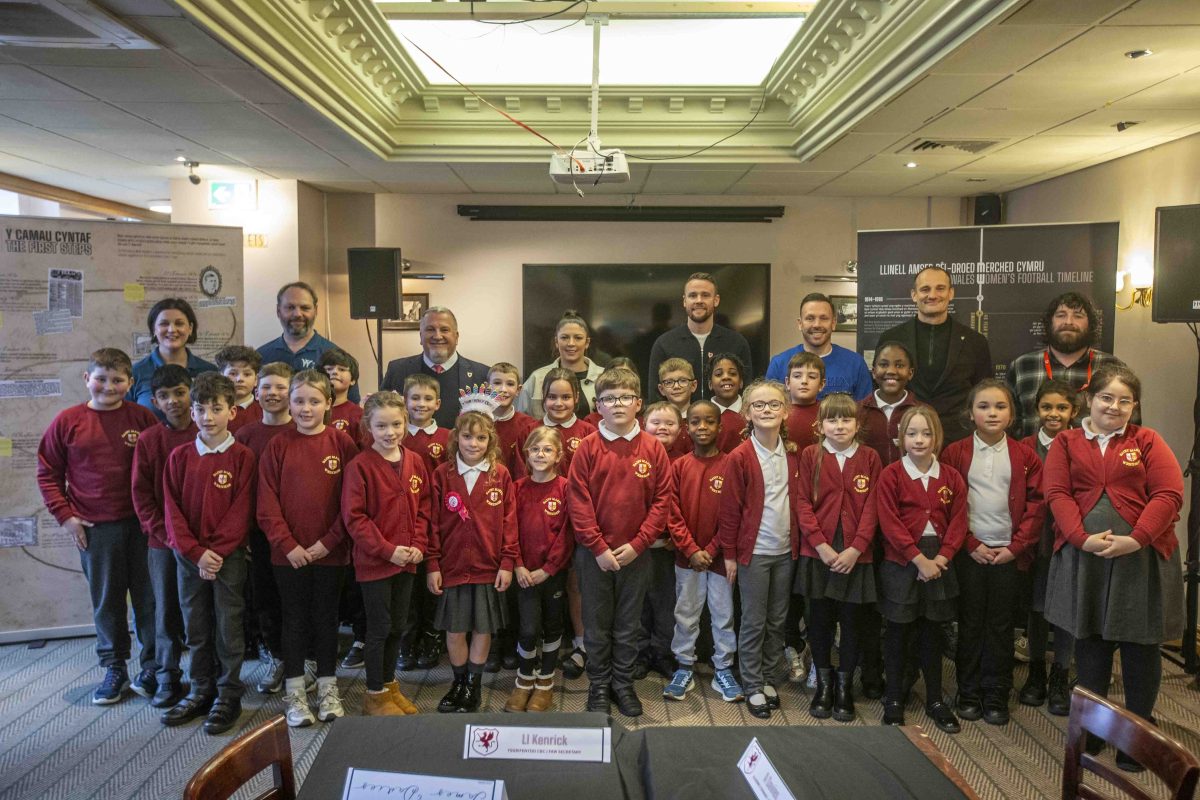
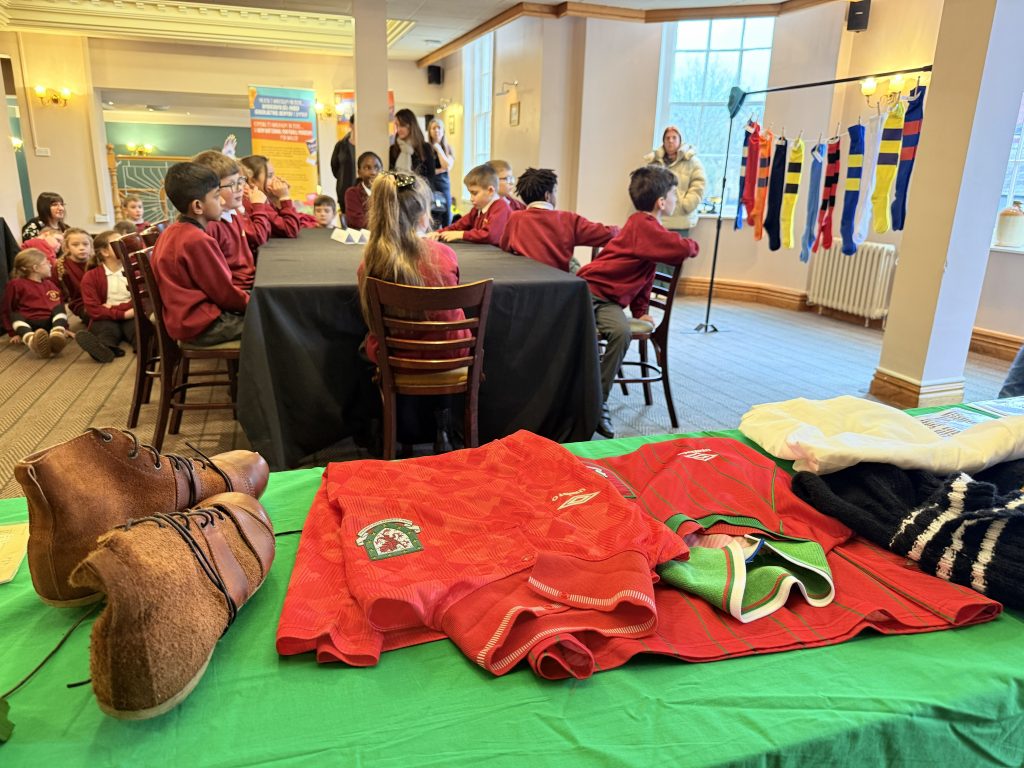
The team from the highly anticipated, football museum for Wales, held special workshops today at the Wynnstay Arms in Wrexham, to mark the occasion of the 150th anniversary of the FAW’s formation.
“Pupils from Wrexham primary schools were invited to the Wynnstay Arms to discover the origins of Welsh football on its 150th anniversary. This event is helping to inform the learning programme for the museum as we prepare for reopening.”
Eleri Farley – Learning Officer, Wrexham Museum of Two Halves
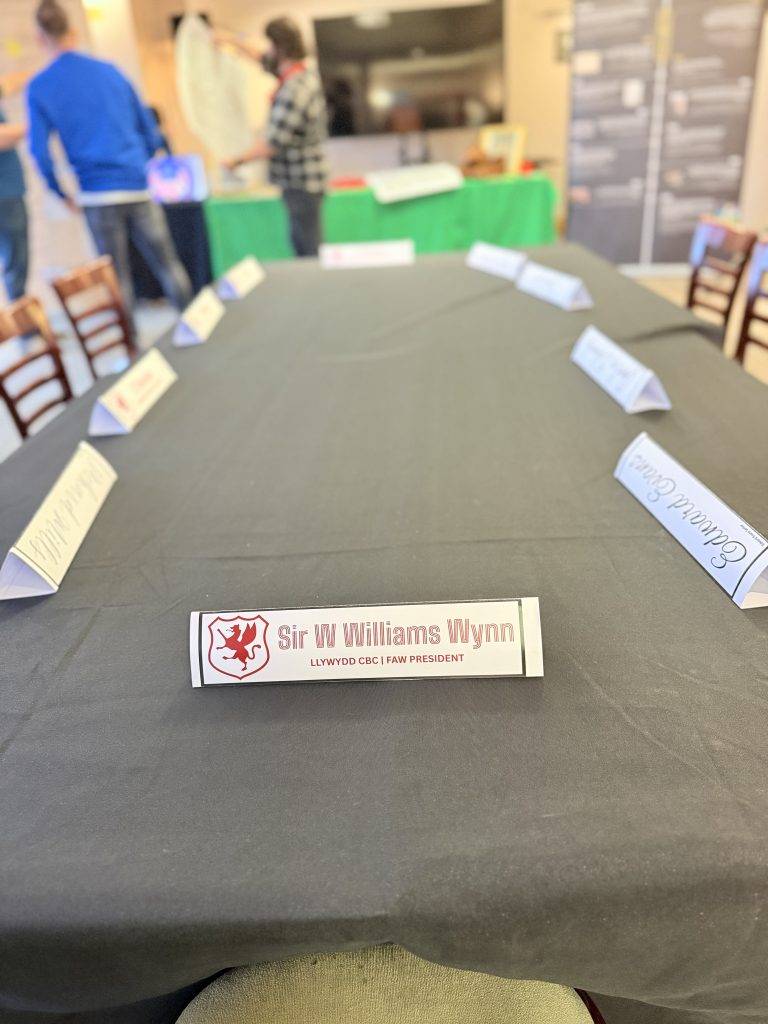
Each school session focussed on how and why the FAW was formed and was set within the room used for that first meeting, 150 years ago.
Tables were arranged in a boardroom style with name holders of the attendees placed at each setting.
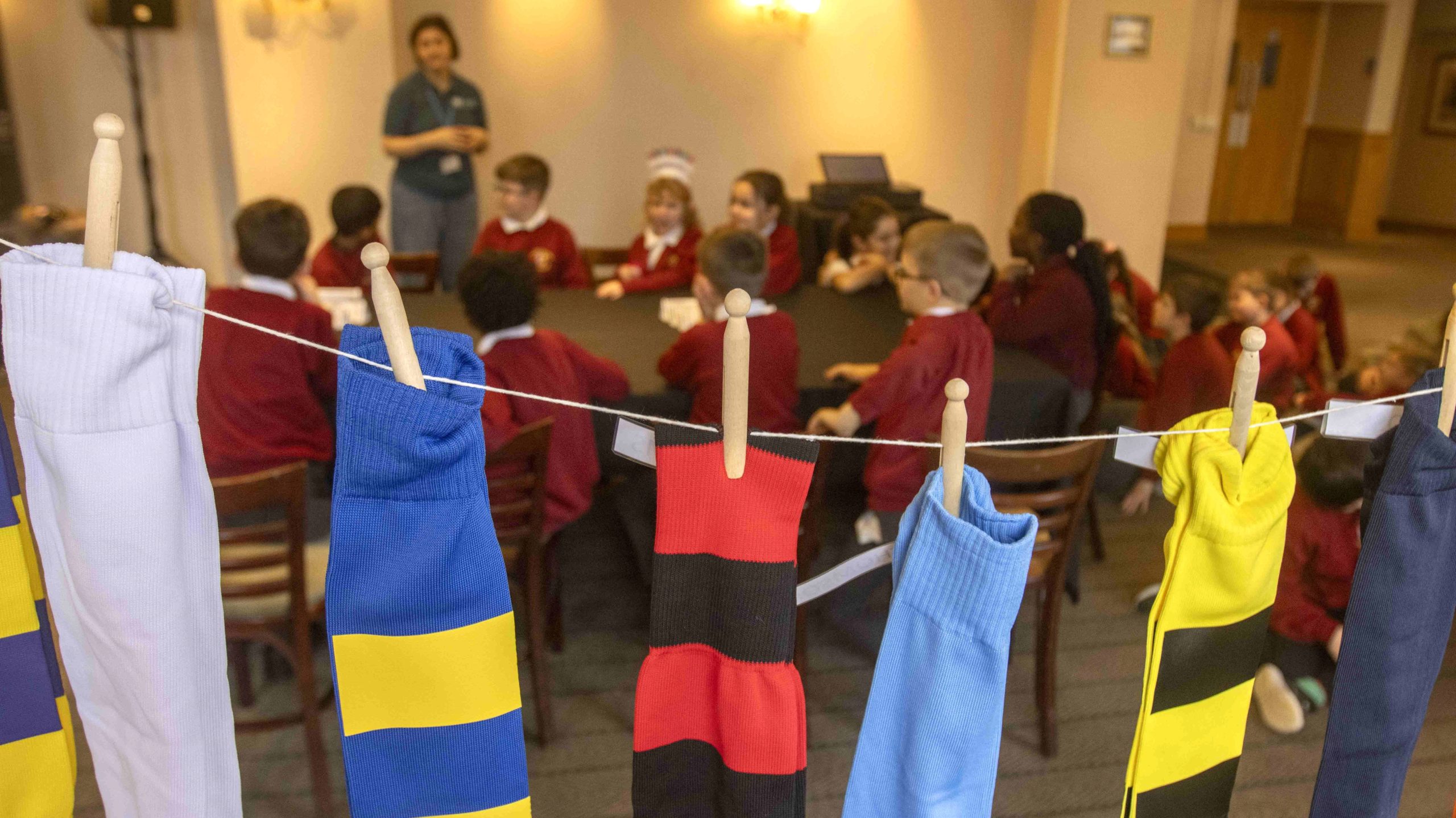
Pupils took part in an engaging workshop where they handled real objects, tried on replica costumes, and used football socks to explore how players used to be identified on the field.
They also learned who attended the first FAW meeting and were encouraged to explore who was missing and why, which lead to discussions around the women’s game and global majority histories.
The sessions followed a similar style to a successful pilot project undertaken with Carmarthenshire Libraries at the end of 2025, where pupils explored various stories around Welsh football including the women’s game.
Today’s event commemorated an important, anniversary in Welsh football’s story, engaging schools with local and national history supporting the curriculum for Wales.
Paul Roberts, Wrexham County Borough Council’s lead member for partnerships and community safety, said: “The school groups at The Wynnstay have enjoyed a taste of the engaging, innovative new ways they will explore and learn about our diverse local and football history. This experience offers an exciting glimpse into how future visits will bring the past to life through interactive storytelling and hands-on discovery, at Wrexham’s new museum.”
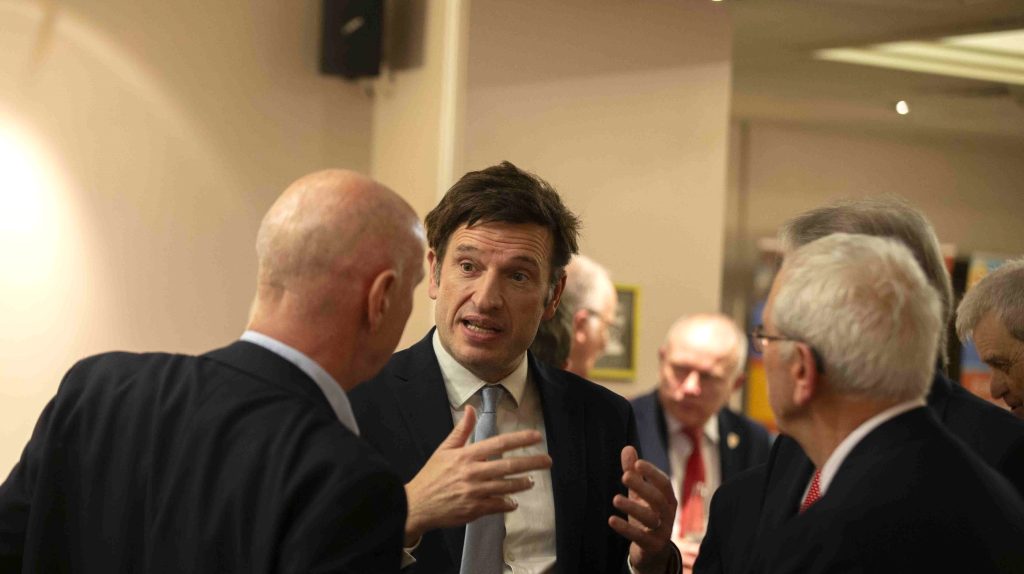
The pupils were excited to meet Craig Bellamy and Chris Gunter at the end of their session, as members of the FAW, arrived for their commemorative Council meeting at the Wynnstay.
“What a fantastic photo opportunity and a special chance for children to meet their football heroes on such a momentous day in Wales’ football history. We’ve enjoyed a full and inspiring schedule in Wrexham, beginning with the museum team, who showcased remarkable objects from the collection to our council members at this historic venue—an integral part of the Welsh football story.”
Ian Gwyn Hughes, Head of Public Relations & Culture, Football Association of Wales
Redevelopment works at Wrexham’s ‘Museum of Two Halves’ are progressing at pace, with galleries taking shape revealing the extensive new layout. The historic building is emerging from refurbishment and the brand new, world-class, national attraction is set to open later this year.
Main Photo: St Marys RC School – Wrexham Wrexham Museum: Eleri Farley – Learning Officer; Shon Lewis – Football Engagement Officer FAW: Mike Jones – FAW President; Nia Davies – Head Coach Wales Women’s U-19; Chris Gunter- Cymry U-19 Head Coach; Craig Bellamy – Head Coach Wales Men’s Team; Dave Adams – FAW Technical Director, Delwyn Derrick – Football Engagement Officer, Wrexham Museum. Noel Mooney – FAW CEO talking to Ian Gwyn Hughes