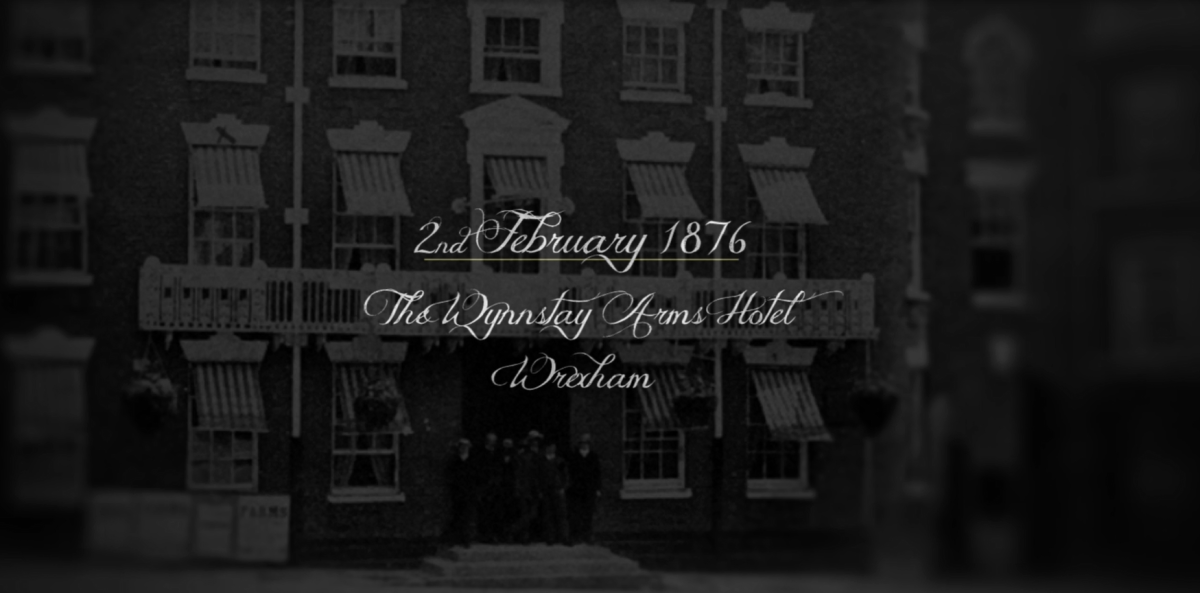
The meeting on the 2nd of February at the Wynnstay Arms in Wrexham was a quick affair arranged at short notice with (according to FAW Council member George Lerry writing in 1924) only four of the newly founded Cambrian Football Association committee members in attendance: Llewelyn Kenrick, Edward Evans, Richard Mills and Arthur Davies.
The name Cambrian Football Association had also seemingly been dropped, mere days after its introduction, possibly in an attempt to better match the only other two footballing associations in existence at the time, the Football Association, and the Scottish Football Association. Atop the minutes of this meeting Kenrick had written a new name, the Football Association of Wales, a name that would stand for over 150 years.
The reason for needing another meeting only a week after their first was that a communication had been received by Kenrick, a challenge by the Scottish Football Association to play them in a game of football on the 25th of March 1876. The only issue…they wanted it played in Glasgow! Only one item was therefore on the agenda on the 2nd February:
“We propose that the challenge sent by Scotland to the Hon. Secretary to play a game under Association rules, at Glasgow on March 25, 1876 be accepted.”
All four attended agreed and the motion was passed. A letter was quickly drafted and sent to the editors of the Field and Bell’s Life to announce the match and details of the upcoming trial matches. It also called for “gentleman desirous of playing in this match to write to the Hon. Secretary of the FAW in Ruabon”, Llewelyn Kenrick basically!
They had seven weeks to create a team from scratch.
150 years ago, to this very day, the Football Association of Wales was created at the Wynnstay Arms Hotel in Wrexham, where Llewelyn Kenrick chaired its first meeting to accept the challenge of a football match against Scotland.
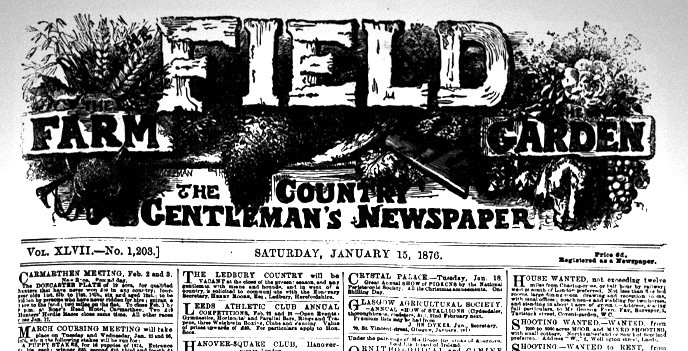
George Clay-Thomas’s initial letter to the Field on 8 January 1876, suggesting the creation of a Welsh national football team, would seem to have been well received. By the very next publication the following Saturday (15 January) two replies were awaiting him, both complimentary…in part!
Most (but not all) of the authors of the letters to the editor of the Field often liked to use pseudonyms. Lucky for us George Clay-Thomas decided to forgo this practice, but his respondents on this day unfortunately did not.
The first response was from a gentleman calling himself A. Highlander. Seemingly speaking from a Scottish perspective, he felt the idea was a good one but was concerned with the suggestion that the teams be selected from players who lived and worked in London. He felt that such teams could not “be representative of their respective countries”, however as long as that point was clarified and understood was fully supportive of the ‘London’ plan. He looked to Clay-Thomas for further guidance on the next steps and to either begin arranging things himself or to nominate someone else to take matters further, even suggesting London-based teams from which a Scottish side could be raised.
The second response came from a gentleman calling himself Half Back. He was also supportive, but equally cynical about only choosing from a pool of London-based Welshmen. He felt the match (from a Welsh perspective) could only go ahead and be considered a true international if the team consisted of players living in Wales. However, unlike Highlander, Half Back was not enamoured with the thought of a match played under Rugby Union rules and instead suggested the game be played according to Association (soccer) rules…indeed he seemed to echo Clay-Thomas’s suggestion from a week earlier that the game of rugby isn’t as popular in Wales when he elaborated that Association rules are “the rules chiefly adopted in the Principality”.
This by the way is the very first instance, anywhere, we’re aware of that the idea of a Welsh national football team playing under Association rules gets mentioned.
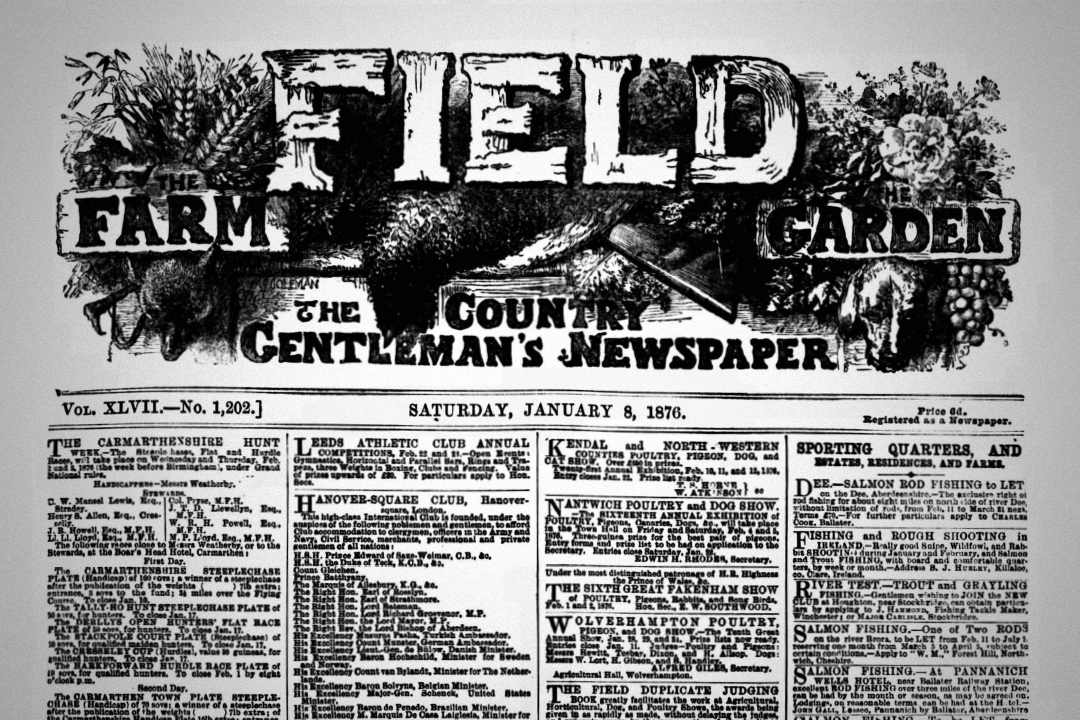
On the 8th January 1876, the spark that lit the blue touchpaper on the creation of the Welsh national football team was struck. It came in the form of an open letter within the pages of the Field newspaper, one of Britain’s foremost sporting publications of the time.
Written by 24 year old George Alexander Clay-Thomas, a London-based coal merchant originally from Carmarthenshire, he’d noticed the increasing popularity of the game and proposed the creation of a Welsh side to challenge one of the already established Scotland or Ireland teams in a match. George however wanted the team to be made up exclusively of fellow London based Welshmen and any eventual match also to take place in the capital.
Both football and rugby were regarded as different codes of the same game back in 1876, both effectively coming under the overarching banner of ‘Football’. George wanted the game to be played under Rugby rules rather than the Association rules of ‘soccer’ and what we today know as football. He even suggested asking for the Rugby Union’s help in spreading the word amongst London’s clubs.
George seemingly felt that ‘football’ was not as popular in Wales as the rest of Britain, and he suggested that the creation of this team would only help to increase its popularity here. We can only surmise however that he probably meant ‘rugby football’ such was his wish to create a side playing ‘rugby rules’. He even mentions in his letter that an ’English twenty would be much too formidable a body’ for an untested Welsh team (teams playing rugby rules in the 1870’s usually had 20 players a side). Was George, now living and working in London, simply ‘out of the loop’ or was he correct in his assumption that rugby was not enormously popular at the time in Wales?
It was never George’s intention to make any further arrangements, however; he merely wanted to raise the suggestion so that others may take the idea forward.
George had thrown down the gauntlet…would anyone pick it up?
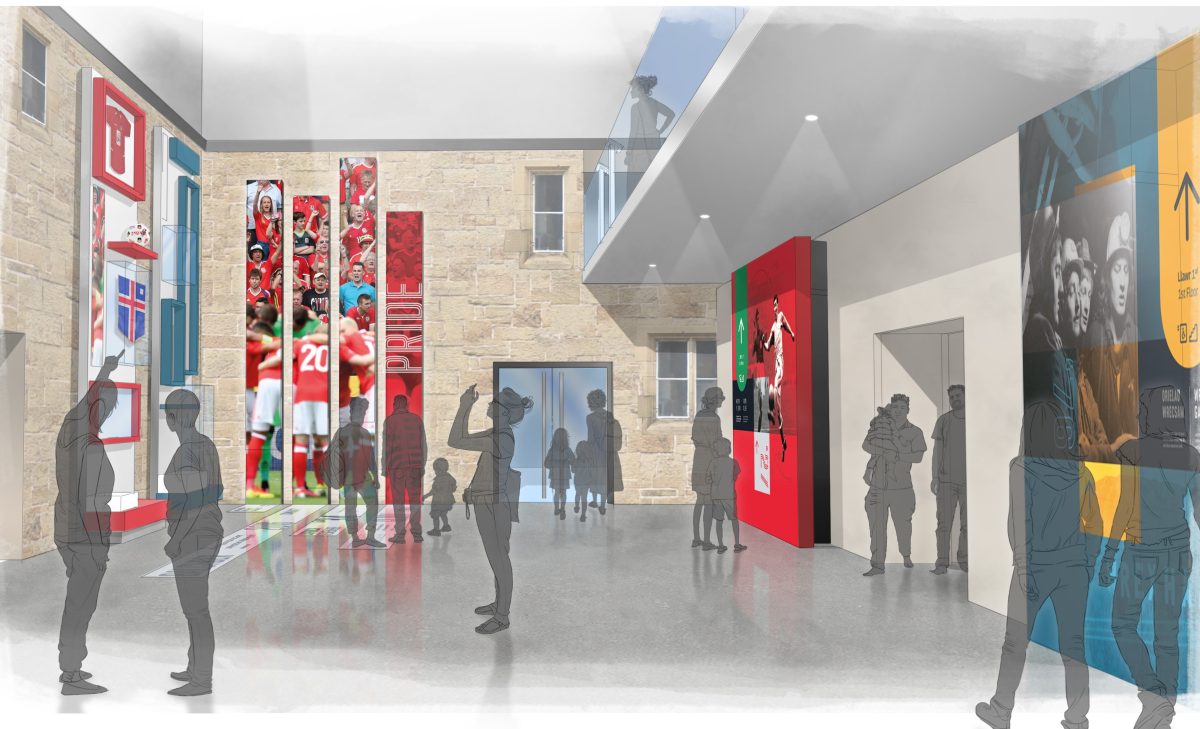
Wrexham Museum is seeking an experienced community artist to produce two large textile banners, one themed on Wrexham, and the other, Welsh football which will hang side by side in the new atrium space at the redeveloped museum.
Wrexham County Borough Museum is currently closed for refurbishment, scheduled to reopen in 2026. It is being completely transformed into a unique offer that will combine a new museum for Wrexham with the Football Museum of Wales in one building.
Further details
The museum wishes to commission an artist to work collaboratively with a variety of under-represented communities to co-create two bold, colourful, and striking artworks which have the potential to reach an audience of 80,000 people in year one of opening.
To be installed in 2026, the engaging and ambitious Brethyn Straeon commission will immediately place community and the heritage of both Wrexham and Welsh football at the heart of the new museum.
The artist will work with four Wrexham based community groups and five from across Wales to develop the themes of each banner. Community partnerships are key to the outcome of this project to ensure the end result is representative of Wrexham and Welsh football today. These community groups have already been identified and the project will take place across Wales in locations familiar to participants.
We are open to ideas from a range of artists and we actively encourage applicants from underrepresented groups.
Key dates
Upon appointment, the successful artist will work with museum staff to identify a manageable timetable. The project will commence in September 2025 and finish in March 2026, with the finished banners delivered to the museum and ready to install by February 2026. The deadline for this commission is July 18th 2025.
Artist fee
A budget of £16,500 has been allocated to this project. This budget is inclusive of all preparation, travel, delivery, accommodation and engagement costs, and studio days.
How to Apply
Please contact museum@wrexham.gov.uk so that we can email the Request for Quotation documentation directly to you.
Please contact us via email if you would like to discuss the commission further prior to applying.
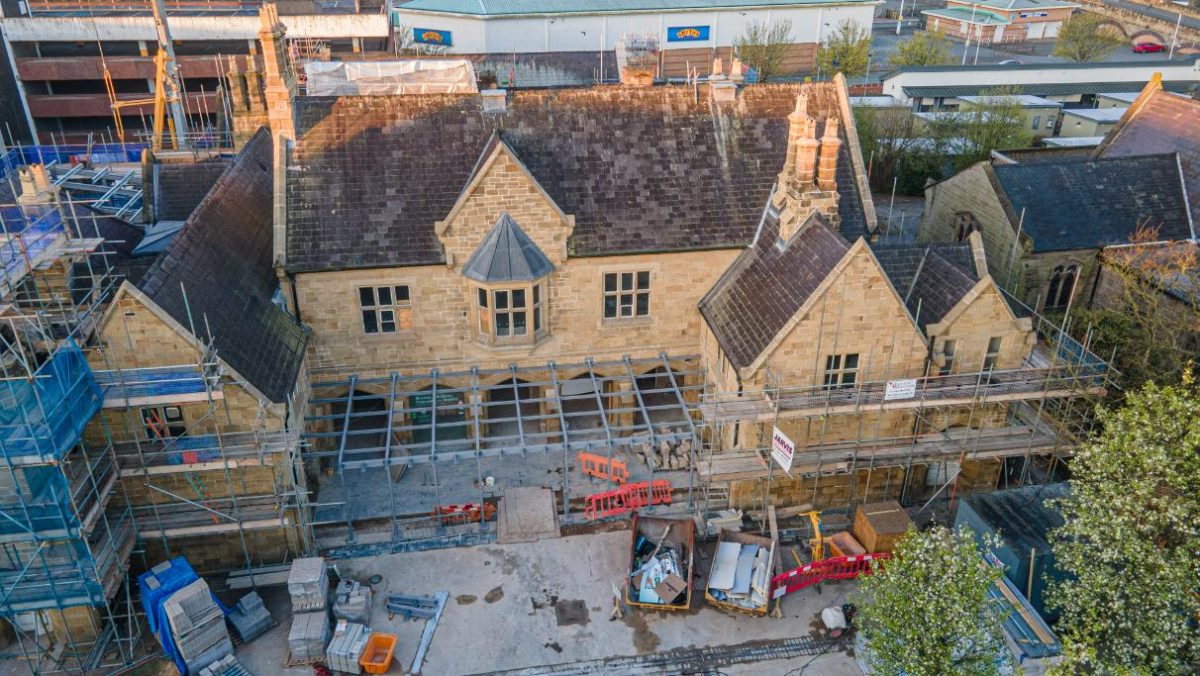
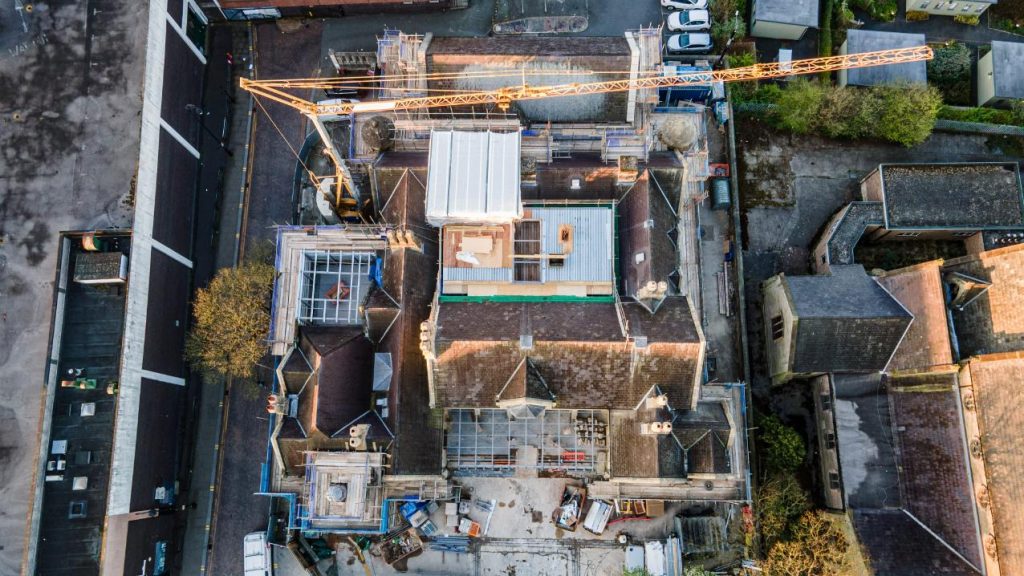
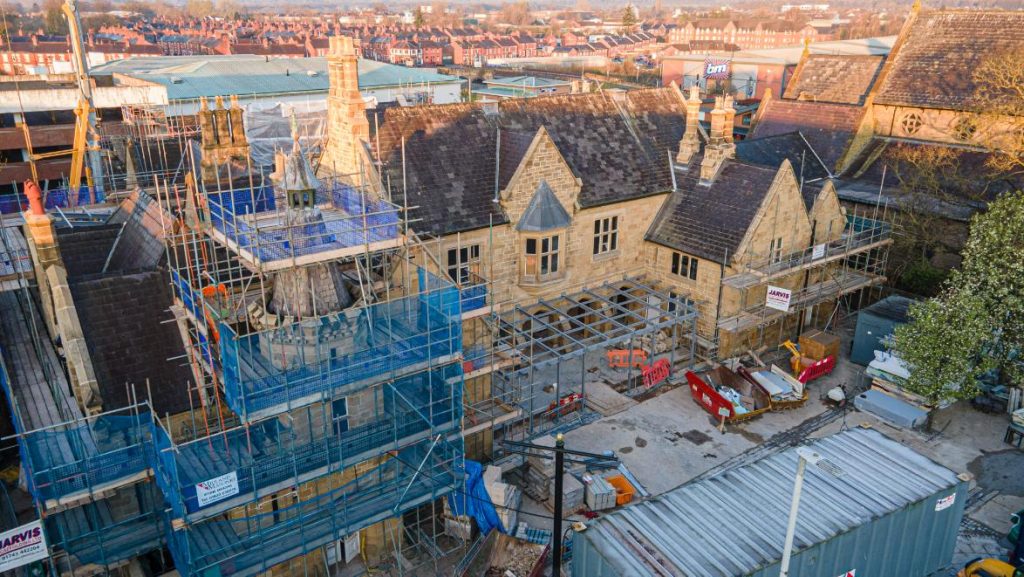
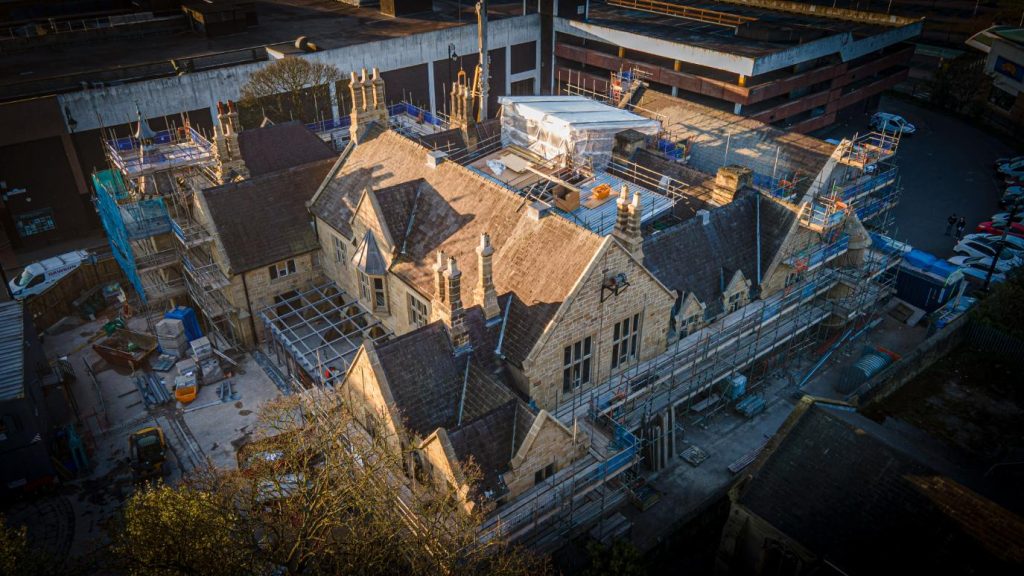
The project to create a major new national visitor attraction in Wrexham city centre is now well underway and making great progress!
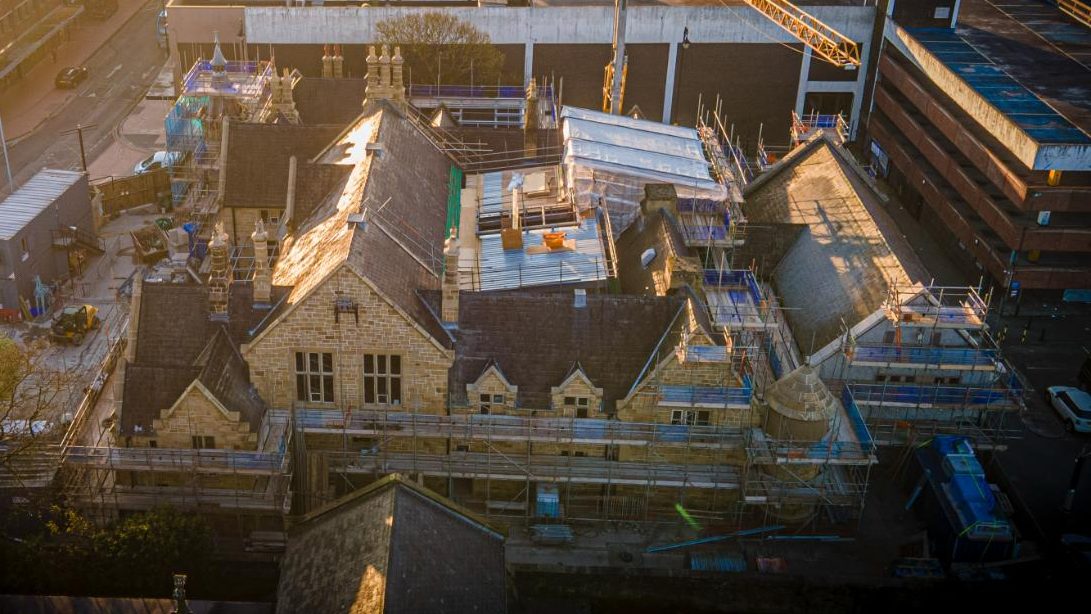
One of the city’s landmark buildings, the County Buildings, formerly the home of Wrexham Museum, is being transformed into a new ‘Museum of Two Halves’.
Set to open in 2026, the ‘two halves’ of the new museum will include an enhanced and expanded museum for Wrexham, alongside a brand new football museum for Wales.
A ‘Museum of Two Halves’
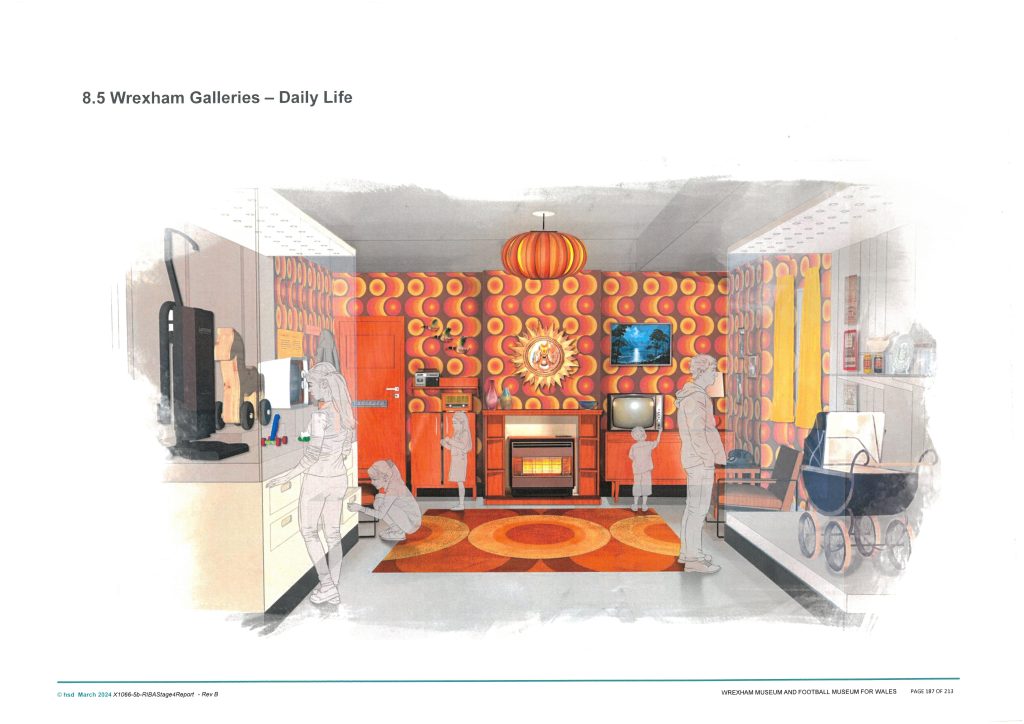
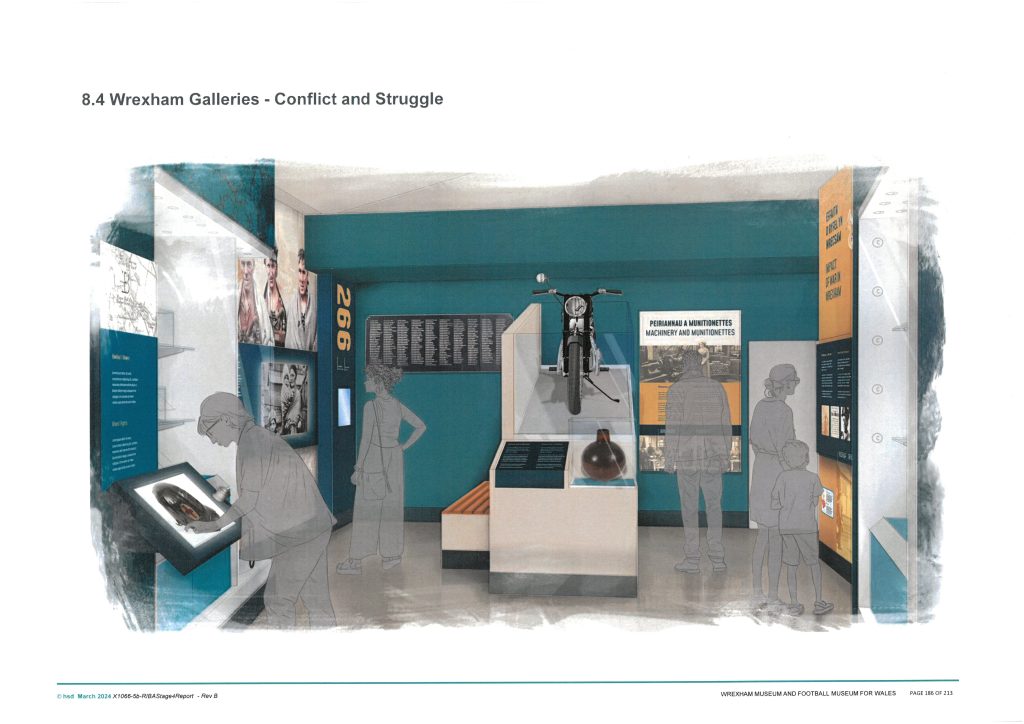
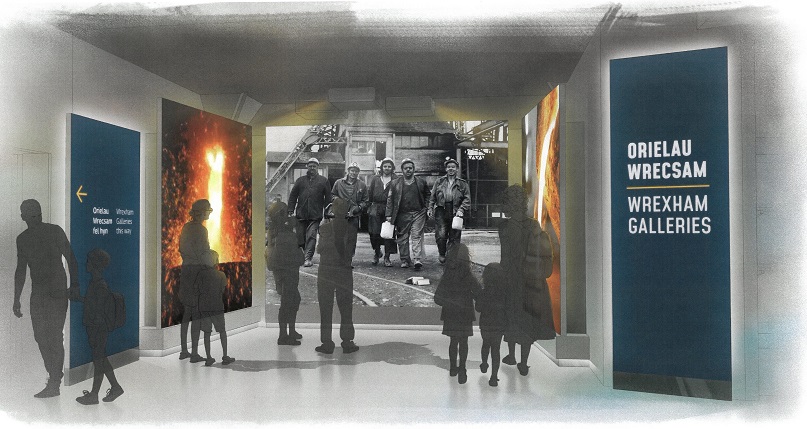
New galleries are being created to display the Wrexham Museum collections, which means an enhanced experience for visitors and a first-class, modern venue for discovering the fascinating and eventful story of our region of North East Wales.
Wrexham is often referred to as ‘the spiritual home of Welsh football’. As well as being home to the now world-famous Wrexham AFC, it’s also the birthplace of the Welsh Football Association (FAW). The museum is custodian to the Welsh Football Collection – the largest collection of Welsh football memorabilia held in public ownership in Wales.
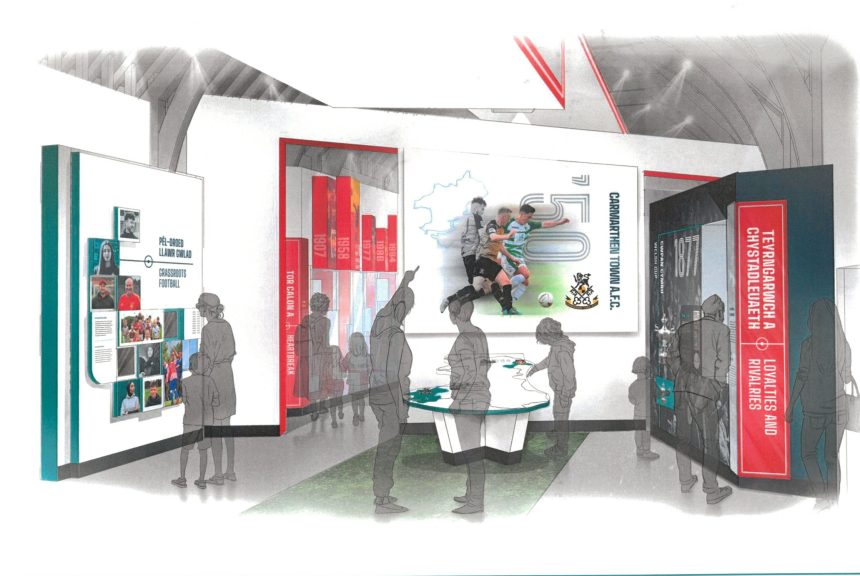
The new football museum will celebrate Welsh football, past and present, in all its diversity, from grassroots clubs to the national teams, as well as highlighting Wrexham’s historic achievements in the sport.
The Museum is being developed by Wrexham Council’s museum team in association with museum designers, Haley Sharpe Design, architects Purcell and contractors SWG Construction, The Hub Consulting Limited, Goppion and Heritage Interactive.
Funding support for the new museum is provided by Wrexham Council, Welsh Government, The National Lottery Heritage Fund, UK Government and the Wolfson Foundation.
Iconic Wrexham building will be ‘restored to former glory’
To create a new, state-of-the-art museum of requires a significant redevelopment of the existing building – inside and out.
As well as developing a fantastic new museum, this is also very much a conservation project that will see the 167-year-old, Grade II listed building restored to its former glory.
Great care is being taken to unveil the most significant features of the building, while ensuring public access and enhancing accessibility, wellbeing and learning opportunities.
Some of the major work now taking place on the building includes:
All the stonework on the outside of the building (including the iconic turrets and chimneys) is being thoroughly cleaned, and repaired where necessary. Repairs have also taken place to the roof where required.
The inner courtyard is being transformed into a new, two-storey atrium with a brand new roof and new walkways. The steelwork is now in place, concrete has been poured and access has been developed from the atrium to the new galleries.
New internal walls and ceilings are now being installed – a brand new look and an expanded layout for the new museum.
The cafe and shop space on the front courtyard are also being totally revamped – new steelwork for these areas has now been put in place and a new zinc roof replacing the glass roof which will enhance the café area.
A new electrical infrastructure has been installed including more efficient heating systems and the installation of PV panels to improve energy efficiency.
Where possible original features have been retained and original bricks reused to retain and enhance the historical features of the building.
A new lift shaft is in place, ready for the installation of the new lift car.
New lifts and fully accessible toilets have been included and the spaces have been created ready for fitting out, improving accessibility around the building.
New windows have been installed, where original windows couldn’t be retained in keeping with the building, where possible original windows and doors have been retained.
Fitting out the new galleries
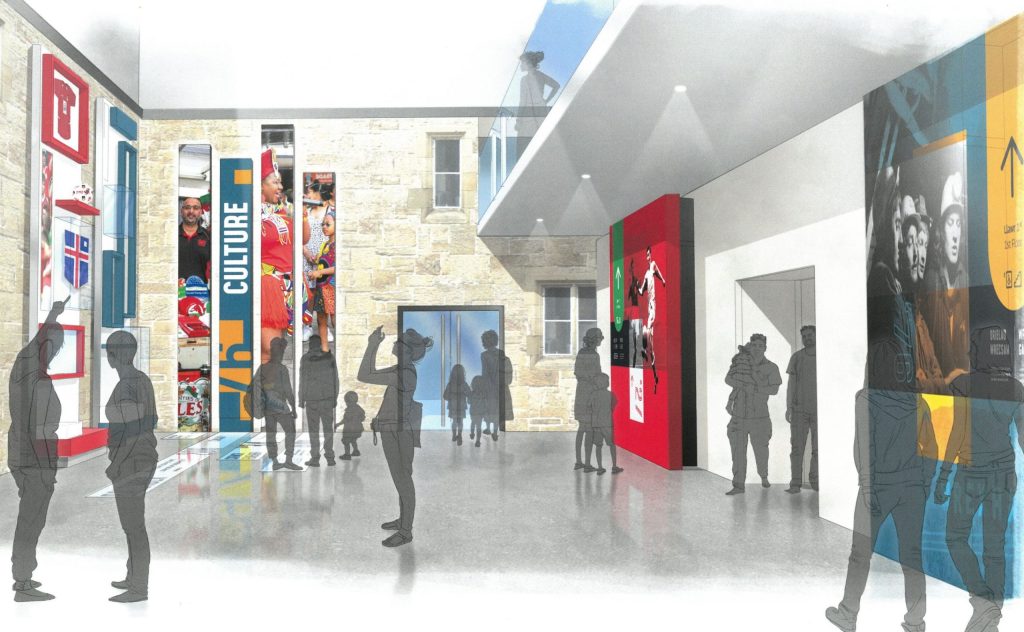
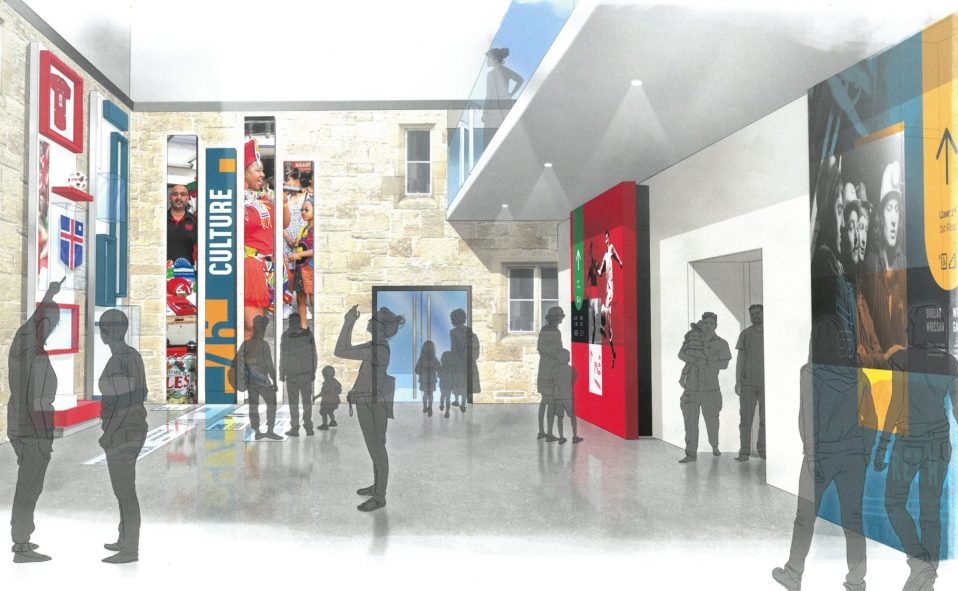
Contractors are working closely with the project team to design, develop and construct the interior spaces of the museum, including the new galleries, the shop, and the impressive atrium space in the centre of the building which has been opened up to its full size for the first time since the 1970’s.
Development of the audio and visual parts of the galleries is now taking place, including the production of new film footage.
Llun trwy garedigrwydd Haley Sharpe /Image courtesy of Haley SharpeLlun trwy garedigrwydd Haley Sharpe /Image courtesy of Haley SharpeLlun trwy garedigrwydd Haley Sharpe /Image courtesy of Haley SharpeLlun trwy garedigrwydd Haley Sharpe /Image courtesy of Haley Sharpe
Welcoming new visitors – a museum designed for everybody
Wrexham’s new museum is being specifically designed to be a welcoming, accessible, community-focused space where everyone will be welcome.
Developing the museum will be an opportunity to create new ways to celebrate and explore the history of Wrexham, Wales and Welsh football. The aim will be to appeal to brand new audiences who may not have visited the museum previously, alongside loyal existing visitors.
This work to reach these new audiences has already started.
While the building work continues to progress on site, the team have been busy organising learning and engagement activities in Wrexham and across the country to help spread the word about the new museum.
The Football Museum Wales Roadshow has been touring regions of Wales over the last few weeks and have had a terrific response, including Porthmadog, Mold, Chirk, Oswestry (well, it’s nearly Wales), Bangor, Caernarfon – and Wrexham of course!
The team have also been engaging with local schools – Bronington VAP School and Rhosddu Primary School were among the first to visit the new Wrexham Museum Collections Store. Here they planned their own museums, made Roman mosaics, played football, listened to a professional storyteller, did yoga, got up close and personal with Paul Mullin and Gareth Bale’s football shirts, and even helped to choose a brand new mascot for the museum!
Councillor Paul Roberts, Wrexham Council’s Lead Member for Partnerships, said: “In what is shaping up to be a fantastic year for culture in Wrexham, it’s a tremendously exciting time for the city to see such great progress being made to transform one of our most iconic buildings into a state of the art visitor attraction.
“The new museum will be a hub for our entire community, a place where residents and thousands of new visitors can come together to learn and explore – a fantastic new resource for everyone who lives here and another boost to the city’s flourishing national and international profile.”
“As well as the great building progress on site, the museum team have also been busy organising engagement events across the country as part of the vital work to reach new audiences and ensure that everyone will be encouraged to visit when the museum opens next year. This work will include a significant presence on the Maes of the National Eisteddfod in Wrexham this August.”
Find out more
Visit the Museum Pop-Up space on Queen’s Square (just behind the benches opposite Caffè Nero) to view the design plans for the museum and speak to the museum team. We also have a range of unique gifts, books, cards and more for sale, all inspired by our exhibitions and Wrexham’s local history.
The Museum Courtyard Cafe has relocated to a temporary location at Tŷ Pawb’s Food Court, while the museum building is closed for redevelopment. The menu still includes the usual range of delicious home-made light meals, coffees, sandwiches, soups, cakes and irresistible desserts!
Wrexham Archives has now relocated to a brand new, permanent home at Wrexham Library.
Subscribe to our mailing lists to receive news about the project straight to your inbox.
Last month, Cymru Women made history in Wrexham, drawing 1-1 with Sweden in front of thei biggest crowd ever outside of Cardiff.
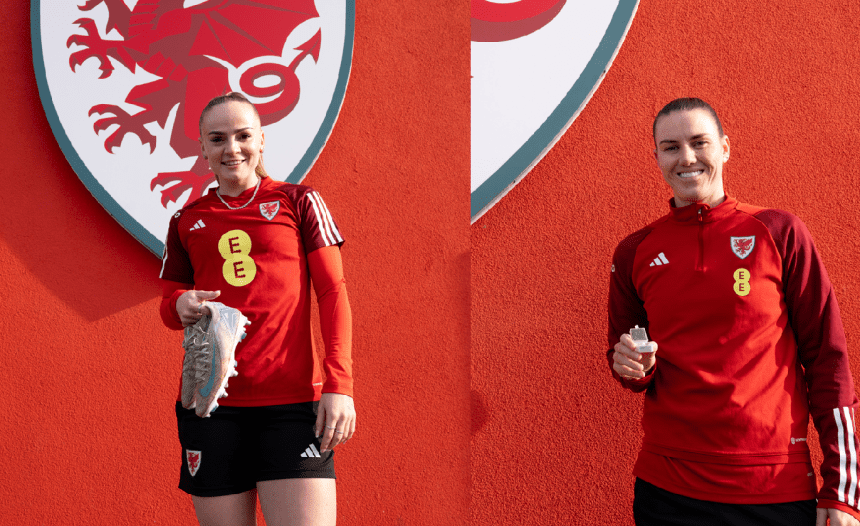
Just ahead of the match at the Cae Ras, two of the team’s stars kindly donated some very special – and unusual – items to Wrexham’s new museum!
Both donations are from last autumn’s dramatic UEFA Women’s EURO 2025 play-off matches against Ireland, which saw Wales make history by reaching a major women’s tournament for the first time.
The victory over two legs secured Wales’ spot in the Euros, which will be held in Switzerland this summer.
The items donated to the museum include the boots worn by Lily Woodham, who scored a vital goal in the first leg against Ireland in Cardiff, and Gemma Evans’ tooth, which was knocked out during the second leg in Dublin.
Donations can “inspire the future stars of the Cymru team”
The boots and the tooth will now be part of Wrexham’s ‘Museum of Two Halves’, a brand new national attraction currently under development in the city centre.
The project will see the development of Wales’ first ever football museum, alongside an enhanced and expanded Wrexham Museum. The new museum is set to open in 2026.
As well as being the home of the now world-famous Wrexham AFC, and their stadium, Y Cae Ras, the oldest international stadium in the world still in use today, Wrexham is also the birthplace of the Football Association of Wales (FAW). The city is often referred to as ‘the spiritual home of Welsh football’.
Wrexham Museum is the custodian of the official Welsh Football Collection, which includes thousands of items from Welsh football history.
The development of the new football museum will provide brand new, state of the art galleries and display spaces for the collection which will be on display for all to enjoy.
Lily Woodham said: “It’s great that we’re able to support the Welsh football museum that will be opening next year. Qualifying for the EUROs was a career highlight and I’m so pleased that I can donate my goal scoring boots to go on display in the museum, hopefully inspiring the future stars of the Cymru team.”
FAW helping to grow Welsh Football Collection
Gemma’s tooth and Lily’s boots join an ever-growing list of items donated to the Welsh Football Collection by the FAW.
Over the years, the FAW’s donations have included some incredible artefacts. Some of the recent highlights include:
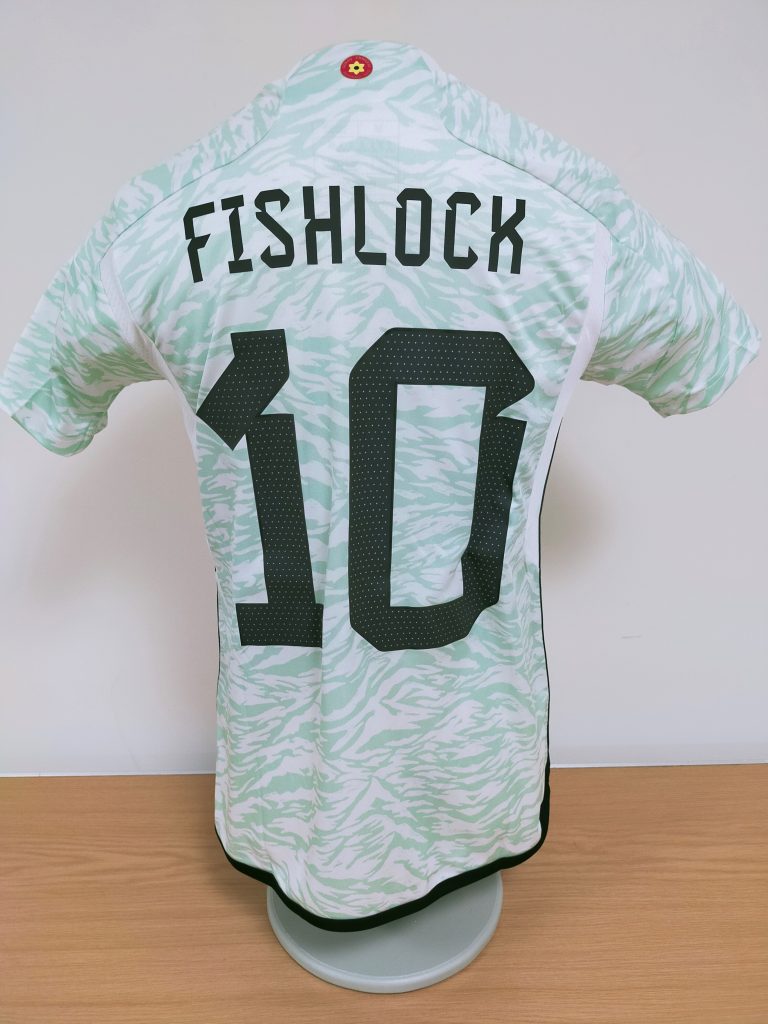
Jess Fishlock and Sophie Ingle match issue shirts from the recent World Cup/Euros qualifiers.
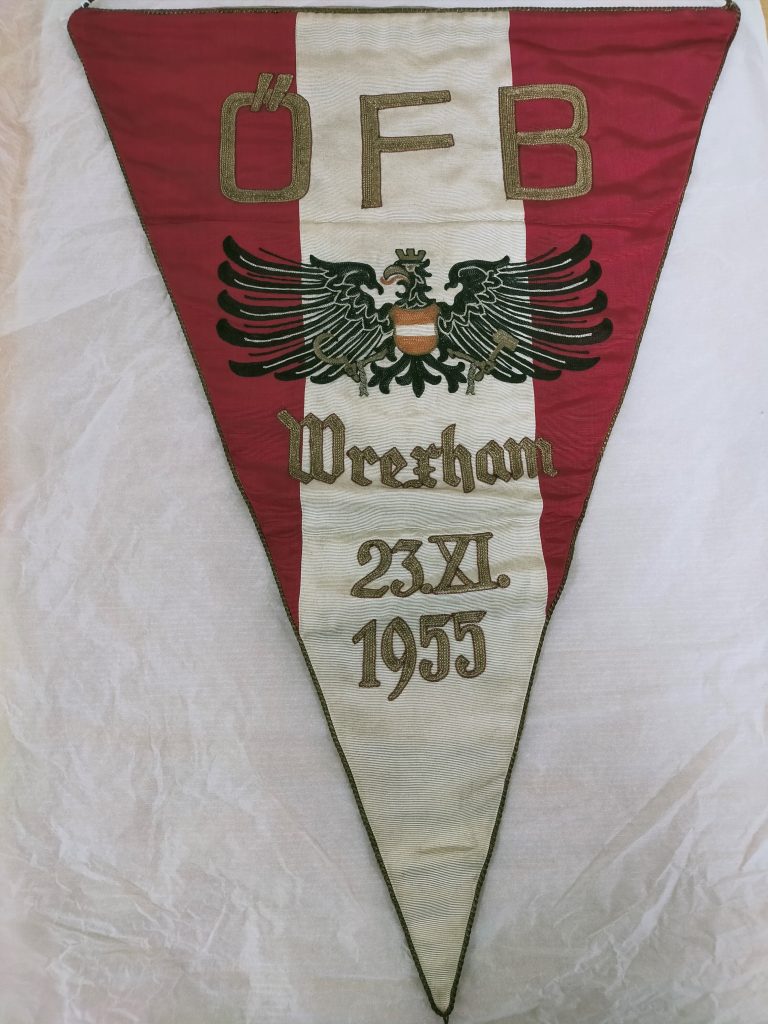
Pennants marking decades of Welsh national team matches, including Wales v Austria, ‘The Battle of Wrexham’ in 1955.
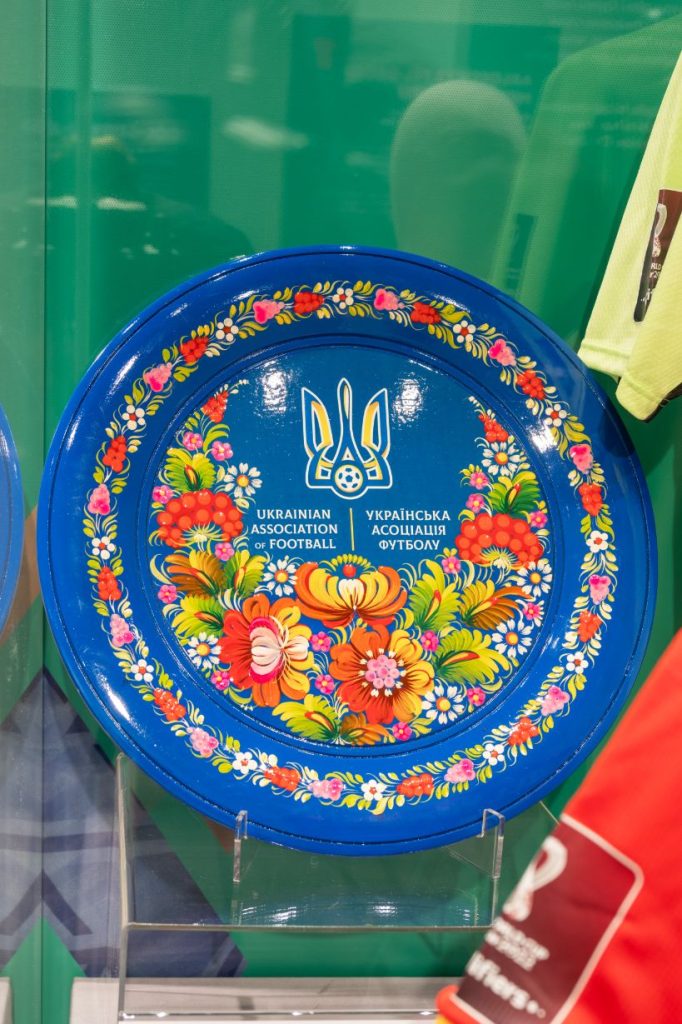
Commemorative plate from the Ukrainian FA, marking the historic World Cup play-off match between the two sides in June 2022, when Wales qualified for the FIFA World Cup for the first time since 1958.
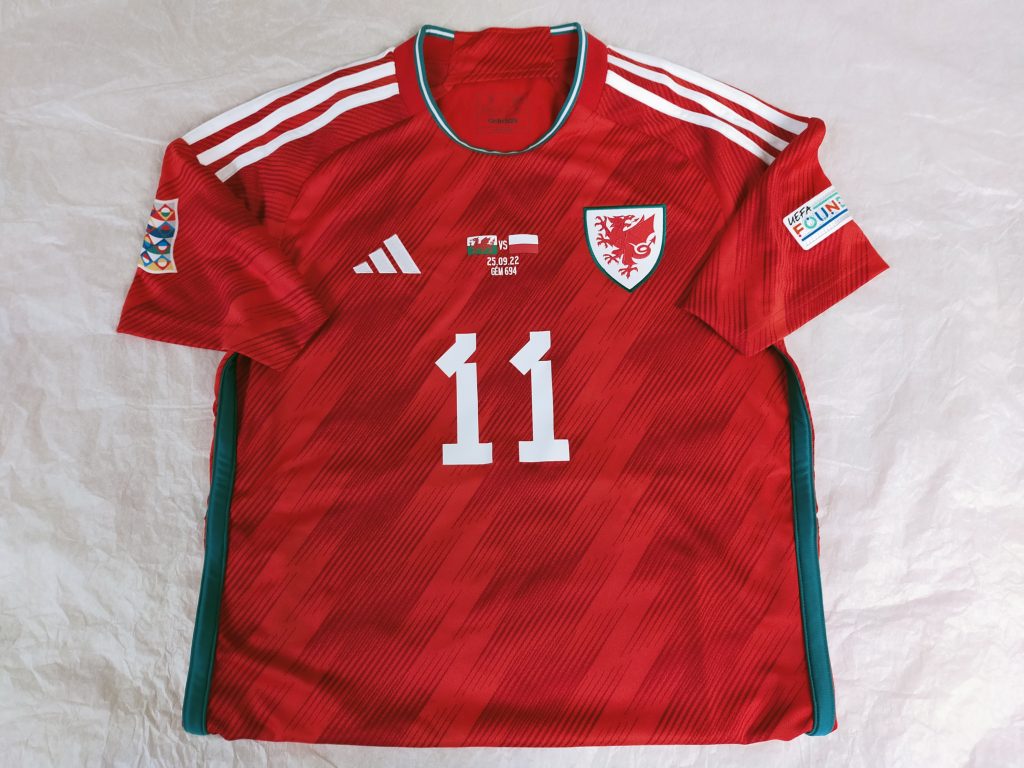
Gareth Bale’s match issue shirt from his final international appearance on Welsh soil – v Poland, 25 September 2022.
oppo_1056
Quirky addition to the collection
Football Museum Officer at Wrexham Museum, Nick Jones, said: “Thanks to Gemma, Lily and the FAW for the donation of these fantastic objects to the Welsh Football Collection. It’s great to have items that connect closely to the women’s team and their breakthrough qualification for a first major tournament this summer.
The tooth is a quirky addition which I’m sure future visitors will be particularly interested in!”
Lead Member for Partnerships and Community Safety, Cllr Paul Roberts said: “We are hugely thankful to the FAW for their continued support of the new museum project and to the Cymru players for their brilliant new additions to our Welsh Football Collection.
“The new museum is set to draw thousands of new visitors to Wrexham every year and play a central role in the city’s flourishing cultural offer.
“The new football museum will celebrate the rich heritage of Welsh football, past and present, in all its diversity, from grassroots clubs to the national teams. New galleries will also be created to display the Wrexham Museum collections, which means an enhanced experience for visitors and a first-class, modern venue for discovering the story of our region of North East Wales.”
Calling all supporters of Cardiff City FC, Newport County AFC, Wrexham AFC and Swansea City AFC!
We need your help to gather stories and memorabilia for a brand new display we’re developing for the new Football Museum Wales, set to open in 2026.
Following some initial consultation we carried out with fans last year, we’ve gathered together six key events from the history of each of the four clubs.
We’ve prepared questions around each event and we’d love to hear your stories and opinions on them.
Big clubs, big stories!
Here are just a few of the stories we’d like to hear about…
If you’re a Wrexham fan, you may want to discuss the famous 1992 FA Cup victory against Arsenal, the Hollywood takeover, or the astonishing day in 2011 when supporters raised £100,000 in just 7 hours to help save the club from going under.
If you’re a Swansea City fan, you may want to talk about the incredible League Cup win of 2013, or when the club finally moved from the Vetch Field in 2005 after playing there for 93 years.
Cardiff City fans may be able to help us gather stories around the legendary FA Cup win of 1927, or the fan power victory of 2015, when pressure from supporters forced the club to revert back to their traditional blue kit, following a failed attempt to switch to red.
Newport County fans may have some stories they’d like to share from the unique bond the club developed with German side FC Carl Zeiss Jena, or the rebirth of 1989, when the club earned the nickname “The Exiles”, after being forced to play their home matches away from Newport for a season.
How to take part
Please help us by completing a form for your club:
The Museum is being developed by Wrexham Council’s museum team in association with museum designers, Haley Sharpe Design, architects Purcell and contractor SWG Construction.
Funding support for the new museum is provided by Wrexham Council, Welsh Government, National Lottery Heritage Fund, UK Government and the Wolfson Foundation.
Llun trwy garedigrwydd Haley Sharpe /Image courtesy of Haley Sharpe
Wrexham’s new museum has moved another step closer to reality following the appointment of The Hub Consulting Limited as fit-out contractors.
The 167-year-old, Grade II County Buildings on Regent Street is currently undergoing a massive renovation which will see it transformed into a ‘Museum of Two Halves’ – a new national attraction which will be home to an expanded and enhanced Wrexham Museum, alongside a Football Museum for Wales.
The Hub will now work closely with the museum project contractors to design, develop and construct the interior spaces of the museum, including the new galleries, the shop, and the impressive atrium space in the centre of the building which has been opened up to its full size for the first time since the 1970’s.
The fit-out stage will also include developing the display cases, graphics, and interactive audio/visual equipment for the new galleries.
‘A highlight in our history’
Councillor Paul Roberts, Wrexham Council’s Lead Member for Partnerships, said: “We are delighted to welcome The Hub to our museum project team. With over 500 cultural and heritage projects from around the world under their belt, The Hub will be able to bring an invaluable level of experience, knowledge and expertise to this crucial stage of the museum’s development.
“With state-of-the-art displays, graphics and equipment, plus new spaces being opened up to their full size for the first time since the building became a museum, the interior is shaping up to be something very special indeed.”
Simon Dix, Managing Director of The Hub on appointment to the project said “Our appointment as Exhibition Fit-Out Contractor for the Museums of Two Halves project is a highlight in our history as we move in to our 20th year of operations.
“Our team are looking forward to working with Wrexham Council and their professional team, to deliver a scheme that leaves a lasting impact on Wrexham, developing a national museum and beacon for the community through our social value scheme with our local partners.
“We are excited to play our part in allowing visitors to explore the region’s fascinating history and achievements whilst celebrating the legacy of Welsh football!”.
Discover more about the new museum
The Museum is being developed by Wrexham Council’s museum team in association with museum designers, Haley Sharpe Design, architects Purcell and contractor SWG Construction.
Funding support for the new museum is provided by Wrexham Council, Welsh Government, National Lottery Heritage Fund, UK Government and the Wolfson Foundation.
Llun trwy garedigrwydd Haley Sharpe /Image courtesy of Haley Sharpe
Construction work is now underway to transform the 167-year-old County Buildings in Wrexham city centre into a brand new national attraction, not just for Wrexham but for all of Wales.
he new museum will be the home of the Wrexham Museum and Football Museum Wales Galleries.
Two names have been shortlisted for the new museum based on audience research across Wrexham and Wales as a whole, and now it’s your turn to choose your favourite.
This isn’t just a yes or no—each name has a unique story and meaning behind it.
Option 1: Tŷ Hanes
The name “Tŷ Hanes” means “History House.” It’s a welcoming place to explore the history of Welsh football and Wrexham. The name makes it feel cosy, like a home full of stories to be told.
Option 2: Histordy
The name “Histordy” combines “histor” from the word history and “stordy” meaning storehouse in Welsh. In Welsh, words ending in “-dy” often mean special places, such as archifdy (archives), injândy (engine house), or goleudy (lighthouse). Histordy is easy to pronounce for both English and Welsh speakers.
Councillor Paul Roberts, Wrexham Council’s Lead Member for Partnerships, said: “With new, state of the art galleries and a fully refurbished and extended building, the museum will be a new national attraction for Wrexham, drawing thousands of visitors from all over Wales and beyond.
“Construction work has been progressing well on site over the last few weeks and there’s a real buzz growing around the project as the scale of the ambitious plans for this new museum are becoming visible.
“We are now asking the public to helps us choose an overall name for the museum that will encompass the Wrexham Museum and Football Museum Wales galleries, the shop and the cafe, the entire attraction.
“The new name will help give the new museum a distinctive identity, drawing together everything on offer under its roof, as well as launching a new chapter in the life of one of Wrexham’s most iconic buildings.
“We invite everyone to complete the questionnaire and be part of this historic moment.”
A name to reflect our nation’s pride
Welsh Government Minister for Culture, Jack Sargeant, said: “It is an exciting time for Welsh Government, to be funding this new museum. In choosing its name, not only are we labelling a building but we’re giving a home to the history, memories and future stories of Wrexham and Welsh football.
“Whether it’s ‘Tŷ Hanes’ or ‘Histordy’, each name reflects our nation’s pride to preserve its diverse history. Your voice will shape this museum’s legacy – please give your views and be part of a new chapter in Wales’ rich story.”
Discover more about the new museum
The Museum is being developed by Wrexham Council’s museum team in association with museum designers, Haley Sharpe Design, architects Purcell and contractor SWG Construction.
Funding support for the new museum is provided by Wrexham Council, Welsh Government, National Lottery Heritage Fund, UK Government and the Wolfson Foundation.